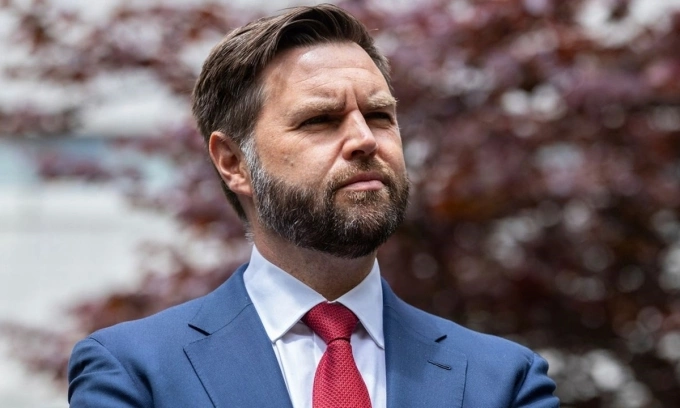
Since taking office on January 20, 2025, Vice President JD Vance has sparked fervent praise from supporters who claim he’s already the best VP in decades. At 40, the Ohio senator-turned-vice president has leveraged his tie-breaking Senate votes to confirm controversial nominees like Pete Hegseth for Defense Secretary and advance the $9.4 billion DOGE cuts package, slashing funding for NPR, PBS, and USAID. His decisive actions, including backing the One Big Beautiful Bill, have cemented his role as a fierce advocate for President Trump’s agenda, earning accolades from conservatives for his loyalty and populist zeal.
Vance’s rapid ascent from “Hillbilly Elegy” author to the third-youngest VP in history resonates with working-class voters. His Marine Corps background and Rust Belt roots fuel his focus on immigration and economic protectionism, aligning with Trump’s “America First” vision. On July 16, 2025, Vance’s tie-breaking vote to defund public broadcasters was hailed as a blow against “woke propaganda,” though critics argue it threatens rural communities’ access to information. His fiery confrontation with Ukraine’s Volodymyr Zelenskyy in the Oval Office underscored his aggressive foreign policy stance, prioritizing U.S. interests over global alliances.
Detractors, however, question Vance’s polarizing style and past anti-Trump remarks, with some calling him opportunistic. Polls, like a March 2025 CBS/New York Times survey, show him with a 32% favorable rating, lower than predecessors like Al Gore. As Vance eyes 2028, his ability to bridge Congress and the White House could redefine the vice presidency—or deepen divisions. Is he the best VP in decades, or a lightning rod for controversy? His impact is undeniable, but history will judge his legacy.