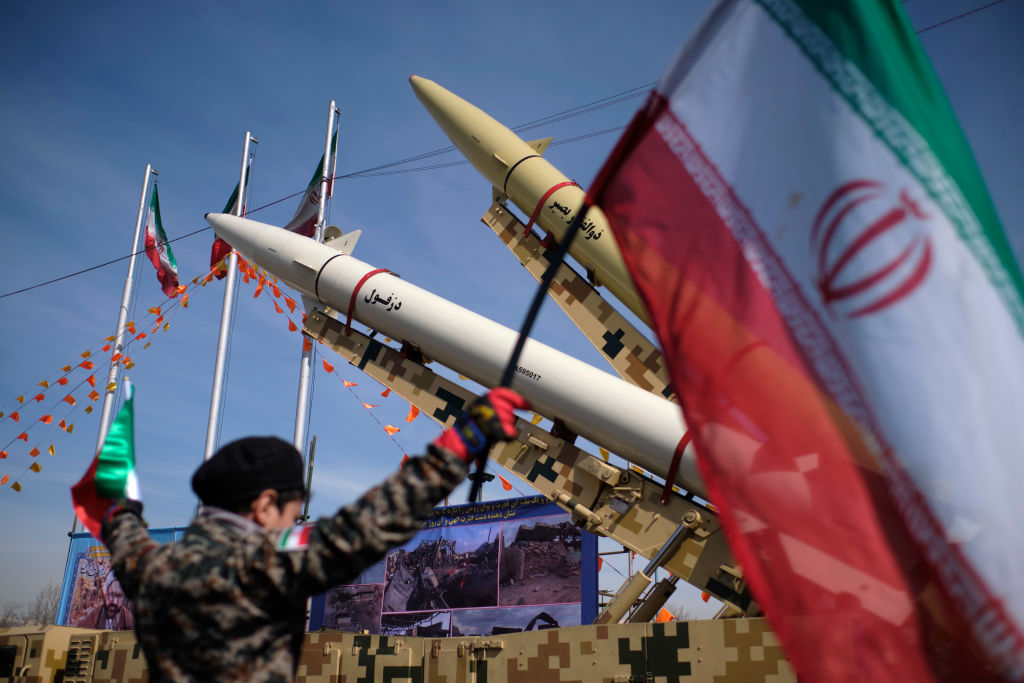
Washington, D.C., June 18, 2025—As Iran’s nuclear program advances, with uranium enriched to 90% purity, demands for the regime to surrender are growing, fueled by nearly five decades of distrust. Critics, including U.S. and Israeli hardliners, accuse Tehran of cheating on agreements, lying about its intentions, and orchestrating attacks on Americans and Israelis since the 1979 Islamic Revolution. With President Donald Trump backing Israel’s preemptive strikes and escalating U.S. military presence in the Gulf, the call for Iran to capitulate underscores a volatile standoff with global implications.
Iran’s history of hostility is well-documented. The 1979 U.S. Embassy hostage crisis, holding 52 Americans for 444 days, set the tone. The 1983 Beirut barracks bombing, killing 241 U.S. Marines, was linked to Iran-backed Hezbollah, per Pentagon reports. Israel has faced relentless attacks, from rocket barrages by Iranian proxies to the 1994 Buenos Aires bombing of a Jewish center, killing 85. Iran’s nuclear ambitions, pursued since the 1980s, have been marred by deception, with the International Atomic Energy Agency citing violations of the 2015 nuclear deal, which Trump exited in 2018. A Rasmussen Reports poll shows 60% of Americans view Iran as a direct threat.
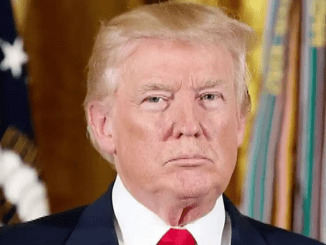
Recent developments have intensified calls for surrender. Iran’s May 2025 announcement of weapons-grade uranium prompted Israel to strike Iranian facilities in Syria, with U.S. intelligence support, per White House sources. Senator John Fetterman (D-PA) urged backing Israel’s efforts to “eliminate” Iran’s nuclear sites, a stance Trump echoed at a June 15 Mar-a-Lago rally, demanding Tehran “give up or face consequences.” Supporters argue that 47 years of diplomacy have failed, pointing to Iran’s secret nuclear sites exposed in 2002 and 2018. A Pew Research poll finds 54% of Americans support military action to stop Iran’s program.
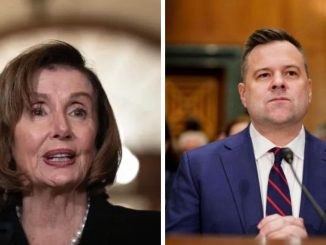
Critics warn that demanding surrender risks catastrophic escalation. Iran’s fortified nuclear sites, like Fordow, are resistant to airstrikes, and its Russian-supplied S-400 defenses complicate attacks, per a 2025 Defense Department report. Retaliation could target U.S. bases or Israel via Hezbollah’s 150,000 rockets, per RAND estimates. Democratic leaders like Senator Elizabeth Warren advocate diplomacy, noting the 2015 deal reduced Iran’s uranium stockpile by 98% before Trump’s withdrawal. A 2025 Cato Institute study warns that war could cost $1 trillion and spike oil prices by 40%, impacting global economies.
Iran’s regime, led by Supreme Leader Ali Khamenei, shows no signs of yielding. State media vowed “severe consequences” for Israeli strikes, and Iran’s Revolutionary Guard has mobilized proxies in Iraq and Yemen. Yet, economic sanctions, cutting oil exports by 70% since 2018 per the Energy Information Administration, have strained the regime, with inflation hitting 35% in 2025, per IMF data. Some analysts suggest internal unrest, like 2022 protests, could force concessions, though hardliners remain defiant.
Trump’s supporters argue his unpredictability—demonstrated by the 2020 Soleimani strike—gives him leverage Bush-era policies lacked. “Iran’s had its chance to talk; now it’s time to act,” said a Florida rallygoer. However, with 1,800 U.S. protests planned against Trump’s domestic policies, including mass deportations, his focus on Iran faces scrutiny. Legal challenges, like California’s suit against federal troop deployments, add pressure. As Israel prepares for potential unilateral action, the demand for Iran’s surrender tests Trump’s resolve and risks plunging the region into conflict.