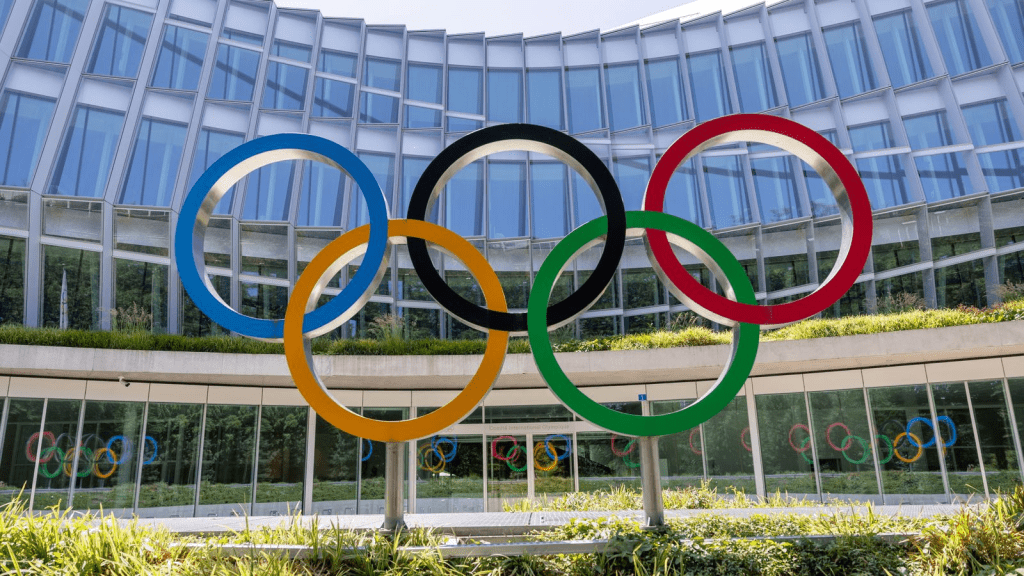
Lausanne, Switzerland – The International Olympic Committee (IOC) is poised to impose a sweeping prohibition on transgender women competing in women’s events across all sports, following a comprehensive scientific review that concludes permanent physical advantages from male puberty cannot be fully mitigated. The policy shift, expected to be formalized in early 2026 ahead of the 2028 Los Angeles Games, marks a dramatic reversal from the IOC’s 2021 framework, which deferred to individual sports federations.
IOC President Kirsty Coventry, elected in March, commissioned the study in January, emphasizing the need to “protect the female category.” The internal update, leaked to The Telegraph, states that evidence shows “transgender women retain advantages in strength, speed, and endurance even after testosterone suppression.” This aligns with bans already enacted by World Athletics, World Aquatics, and World Rugby, which exclude athletes who transitioned after puberty. The new rules would also scrutinize athletes with differences of sex development (DSD), potentially barring those with elevated testosterone levels.
The decision follows controversies at the 2024 Paris Olympics, where boxer Imane Khelif of Algeria won gold amid gender eligibility debates after failing a chromosome test. Khelif and Taiwan’s Lin Yu-ting were cleared by the IOC but disqualified by the International Boxing Association. Coventry, a former Zimbabwean swimmer, has faced pressure from U.S. officials, including President Donald Trump’s February executive order urging a uniform ban to “keep men out of women’s sports.”
Transgender advocates decried the impending policy as discriminatory. “This erases us from elite competition, ignoring our identities and sacrifices,” said Chris Mosier, the first transgender athlete to compete in Olympic trials. The ACLU vowed legal challenges, citing violations of human rights standards. With the U.S. Olympic Committee already barring transgender women from women’s events in July, the IOC’s alignment signals a global pivot toward biology-based categories.
As the 2028 Games loom, the ruling prioritizes fairness for cisgender women but risks alienating allies and sparking boycotts. For the IOC, it’s a bid to restore trust; for critics, a step backward in inclusion. Common sense, or capitulation?