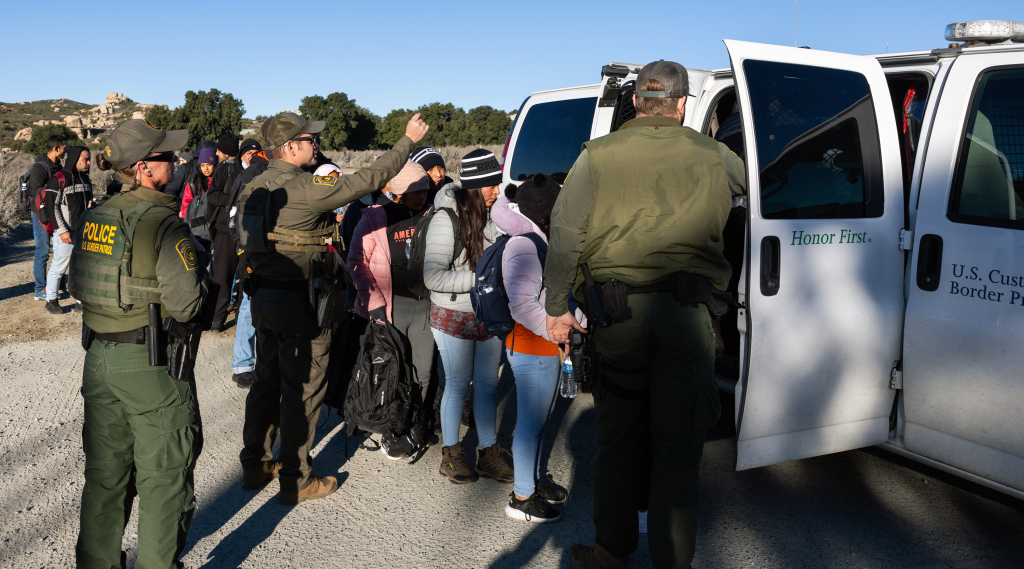
No issue fires up the conservative base more than immigration, and the rallying cry in 2025 is clear: mass deportations, not amnesty. As the Trump administration doubles down on border security, conservatives are demanding swift, uncompromising action to remove undocumented immigrants, viewing it as a litmus test for the Republican Party’s commitment to its voters. With the southern border increasingly militarized and public sentiment polarized, the push for deportations has become a defining issue, shaping the political landscape ahead of the 2026 midterms.
The fervor is palpable. Polls show immigration as the top concern for 62% of Republican voters, outranking even the economy or crime, according to a Rasmussen Reports survey from June 2025. The conservative base, galvanized by years of frustration over porous borders and perceived leniency, sees mass deportations as both a policy necessity and a moral imperative. They argue that illegal immigration strains public resources—costing taxpayers $150 billion annually, per the Federation for American Immigration Reform—and undermines wages for working-class Americans. For these voters, amnesty proposals, like those floated in past decades, are a betrayal of national sovereignty.
The Trump administration has responded with aggressive measures. Over 8,500 troops now patrol one-third of the U.S.-Mexico border, with arrests of undocumented immigrants dropping 93% since May 2024, according to Customs and Border Protection. New “National Defense Areas” allow military detentions, and over 1,400 migrants have been charged with trespassing since April. The administration’s zero-tolerance stance, coupled with Mexico’s crackdown on smuggling, has slashed crossings to historic lows. Yet, conservatives demand more: large-scale deportations targeting the estimated 11 million undocumented immigrants in the U.S., prioritizing those with criminal records but extending to others who entered illegally.
Opponents warn of dire consequences. Mass deportations, they argue, would cost billions—$315 billion by some estimates—and disrupt industries like agriculture and construction, where undocumented workers make up 14% of the labor force. Humanitarian concerns loom large, with families facing separation and deportees returning to dangerous conditions in countries like Guatemala or Honduras. Critics also note that legal barriers, including due process rights, make sweeping deportations logistically complex. The American Civil Liberties Union has already filed lawsuits challenging the military’s role, arguing it violates constitutional protections.
Despite these hurdles, the conservative base remains unyielding. For them, the issue transcends economics or logistics—it’s about identity and security. Rallies in states like Texas and Arizona have drawn thousands, with chants of “deport, don’t import” echoing their resolve. The pressure is on Republican lawmakers to deliver, with primary challenges looming for those seen as soft on immigration. As the administration eyes expanding detention facilities, the debate over deportations versus amnesty is set to dominate the national conversation, testing the GOP’s ability to balance its base’s passion with practical governance. The stakes couldn’t be higher.