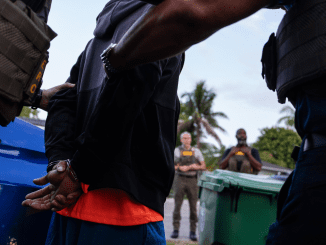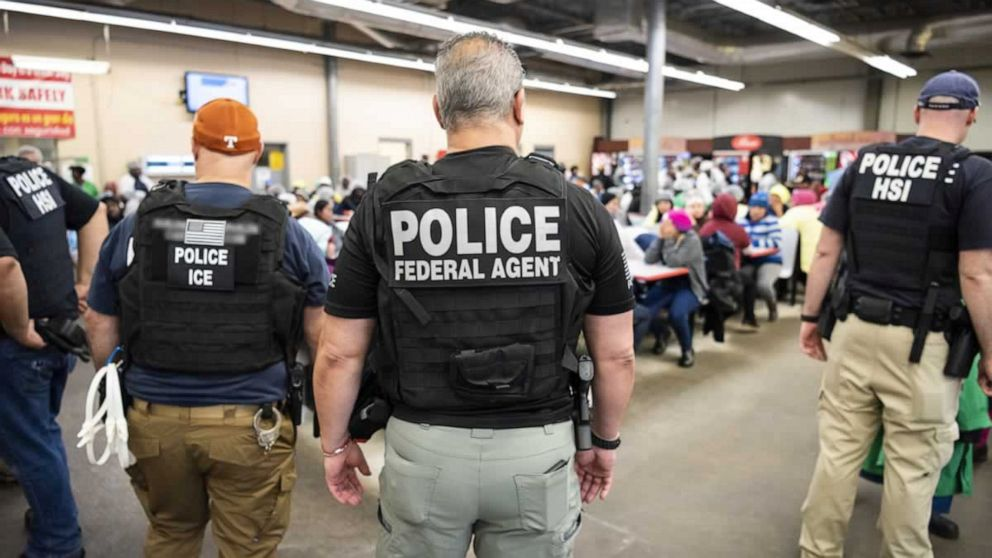
In a dramatic escalation of President Donald Trump’s immigration crackdown, U.S. Immigration and Customs Enforcement (ICE) agents have reportedly detained protesters at anti-deportation demonstrations in Los Angeles on June 6-7, 2025, raising alarms about the targeting of dissent. The raids, part of a broader push that saw 44 arrests across the city, have ignited fierce clashes, with federal agents in riot gear deploying tear gas and flash-bang grenades against crowds. As Trump’s second term intensifies its “America First” agenda, the question looms: is this the enforcement voters envisioned when they backed his return?
The Los Angeles operations, targeting sites like Ambiance Apparel and Home Depot stores, reflect Trump’s pledge to deport millions, with ICE now aiming for 3,000 daily arrests. The Department of Homeland Security reported 118 detentions that week, including five linked to criminal organizations. However, advocates like the Coalition for Humane Immigrant Rights estimate 70-80 arrests, with limited legal access for detainees. Protesters, chanting “Set them free, let them stay!” and blocking roads, faced a militarized response, with videos showing agents using less-lethal weapons. The arrest of Service Employees International Union president David Huerta, injured during the protests, has drawn particular outrage.
Trump’s supporters defend the crackdown, arguing it fulfills campaign promises. A 2025 New York Times/Ipsos poll found 55% of voters support mass deportations, with 88% backing the removal of immigrants with criminal records. Policies like the Safeguard American Voter Eligibility Act and 142,000 deportations in 2025 resonate with those prioritizing border security. White House deputy chief of staff Stephen Miller called the protests an “insurrection,” urging passage of a massive border security bill. Supporters view detentions at protests as necessary to maintain order, with 62% of Americans favoring stricter enforcement, per a 2024 Pew survey.
Critics, including Mayor Karen Bass and Gov. Gavin Newsom, condemn the raids as sowing “terror” in communities. The ACLU decries the “oppressive and vile paramilitary operation,” citing constitutional concerns over targeting protesters. Los Angeles Police Chief Jim McDonnell and Sheriff Robert Luna emphasized their departments’ non-involvement, adhering to California’s sanctuary policies. The deployment of 2,000 National Guard troops, ordered by Trump under Title 10 authority, has drawn accusations of overreach, with Newsom calling it “inflammatory.” Legal challenges, like those against Trump’s birthright citizenship order, signal growing resistance, with 22 states suing.
The protests, centered in Paramount and downtown Los Angeles, saw crowds block the 101 Freeway and clash with agents, some waving Mexican flags and spray-painting anti-ICE slogans. A 2023 NAEP report notes only 13% of eighth graders are proficient in U.S. history, suggesting limited awareness of past authoritarian crackdowns. Critics draw parallels to Trump’s 2020 call to shoot protesters, refused by then-Defense Secretary Mark Esper, warning of eroded democratic norms. The detention of protesters, including possible U.S. citizens, raises fears of First Amendment violations, with the ACLU reporting 35 wrongful detentions in 2025.
As the 2026 midterms approach, the Los Angeles clashes highlight a nation divided. Trump’s base, with 90% approval among 2016 voters per a 2025 Gallup poll, sees the raids as restoring sovereignty. Yet, the militarized response and protest arrests alienate moderates, with 55% of Americans in a 2025 Pew poll viewing enforcement as excessive. The question of whether this is what voters intended cuts to the heart of Trump’s mandate, testing the balance between security and civil liberties in a fractured America.