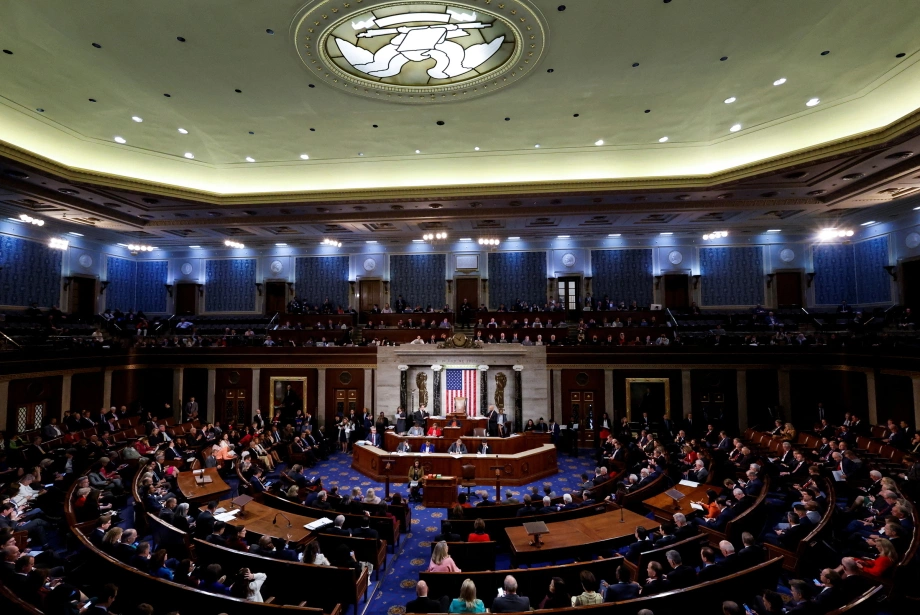
In a significant victory for President Donald Trump’s agenda, the House of Representatives has voted to advance a $9.3 billion rescissions package, marking the first major move to codify cuts proposed by the Department of Government Efficiency (DOGE). The measure, which passed 213-207, targets funding for programs like the U.S. Agency for International Development (USAID), National Public Radio (NPR), and the Public Broadcasting Service (PBS). This vote signals a renewed push to streamline federal spending and reshape government priorities, though it faces hurdles ahead.
The package, championed by Trump and his allies, aims to claw back $8.3 billion from foreign aid programs, including USAID, and $1.1 billion from public broadcasting. Proponents argue these cuts eliminate wasteful spending on programs that don’t align with American priorities. The White House has labeled initiatives like NPR and PBS as promoting “radical” agendas, while foreign aid cuts target projects deemed frivolous, such as efforts to reduce xenophobia in Venezuela or fund voter education in Kenya. House Speaker Mike Johnson hailed the vote as a step toward “restoring fiscal sanity,” emphasizing DOGE’s role in identifying inefficiencies.
The vote wasn’t without drama. House Republicans, holding a slim majority, faced pressure from fiscal hawks demanding swift action. The Freedom Caucus, a conservative bloc, pushed for the package to move quickly, framing it as a test of GOP commitment to Trump’s vision of a leaner government. Meanwhile, moderates expressed unease, particularly over cuts to public broadcasting, which some rural districts rely on for emergency communications. Despite these tensions, the procedural “rule vote” passed, setting the stage for a final House vote soon.
Critics, however, warn of the cuts’ broader impact. Democrats, unified in opposition, called the package a betrayal of working Americans, arguing it prioritizes tax breaks for the wealthy over essential services. Senate Minority Leader Chuck Schumer blasted the measure as “heartless,” pointing to its potential to disrupt programs like PEPFAR, a global HIV/AIDS initiative credited with saving millions of lives. Even some Republicans, like Senator Susan Collins, voiced concerns, particularly about PEPFAR’s funding, signaling potential resistance in the Senate.
The rescissions process, governed by the 1974 Impoundment Control Act, requires Congress to approve the clawback of already appropriated funds within 45 days. While the House’s narrow vote shows GOP resolve, the Senate’s path is less certain. With a simple majority needed, Republicans can bypass Democratic filibusters, but centrist GOP senators may balk at cuts to popular programs. The package’s fate hinges on whether Trump’s allies can maintain party unity while navigating legal and political challenges, including lawsuits over the administration’s unilateral spending freezes.
This vote underscores Trump’s broader fiscal strategy, led by DOGE and figures like Elon Musk and Russell Vought. The administration has already frozen billions in congressionally approved funds, sparking debates over executive overreach. While the $9.3 billion package is a fraction of the $163 billion in cuts proposed for 2026, it’s a symbolic win for Trump’s vision of slashing non-defense spending while boosting defense and border security. Yet, with Congress holding the power of the purse, the White House’s aggressive tactics may face pushback.
As the nation watches, this first round of DOGE cuts marks a pivotal moment. For Trump’s supporters, it’s a triumph of fiscal discipline and a rebuke of bloated bureaucracy. For opponents, it’s a reckless gamble that threatens vital programs. With the Senate and final House vote looming, the fight over America’s fiscal future is just beginning.