Washington, D.C. – In a bold move amid escalating debates over cultural integration, Reps. Randy Fine (R-Fla.) and Keith Self (R-Texas) filed the “No Shari’a Act” on Friday, aiming to prohibit the application of Islamic Sharia law anywhere in the United States where it conflicts with constitutional rights. The legislation, introduced just days after Texas Gov. Greg Abbott signed a state measure targeting so-called “Sharia compounds,” signals a national push by conservatives to safeguard American legal norms against perceived foreign influences.
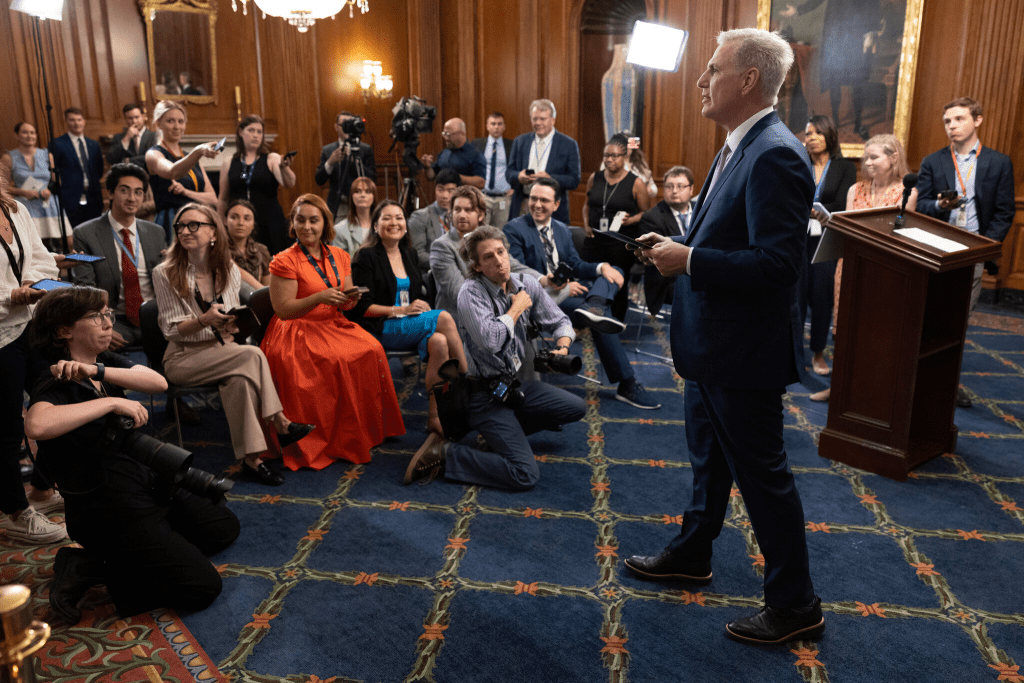
Fine, a vocal Trump ally, framed the bill as a defense of national identity during a Capitol Hill briefing. “We are not going to become a Muslim nation,” he declared, echoing concerns sparked by the controversial EPIC City development near Dallas—a proposed Muslim-centric community critics labeled a potential enclave for Sharia governance. Self, who co-sponsored the measure, highlighted Texas’s recent House Bill 4211, which bans discriminatory property structures enforcing religious codes, as a model. “Sharia’s shadow is already creeping in; this stops it cold,” Self said, citing fears of fraud and discrimination in immigrant-heavy neighborhoods.
The bill would amend federal statutes to bar courts, agencies, and private contracts from enforcing Sharia principles that undermine U.S. freedoms, such as gender equality or free speech. Proponents argue it’s a preemptive strike against “creeping Islamization,” drawing on over 200 state-level anti-Sharia efforts since 2010. Yet, civil liberties groups swiftly condemned it as discriminatory fearmongering. The Council on American-Islamic Relations called it “a dog-whistle to bigotry,” noting Sharia functions primarily as personal ethical guidance, not a parallel legal system, and U.S. courts already reject conflicting foreign laws.
Democrats, including Rep. Judy Chu, decried the timing—mere weeks after reintroducing the NO BAN Act to curb religious travel restrictions—as hypocritical amid Trump’s signaled revival of Muslim bans. “This isn’t protection; it’s prejudice,” Chu stated. With the House GOP majority, the bill could advance quickly, though Senate hurdles loom. As America grapples with immigration and identity, the measure reignites fault lines, pitting cultural preservation against accusations of Islamophobia in an election year.