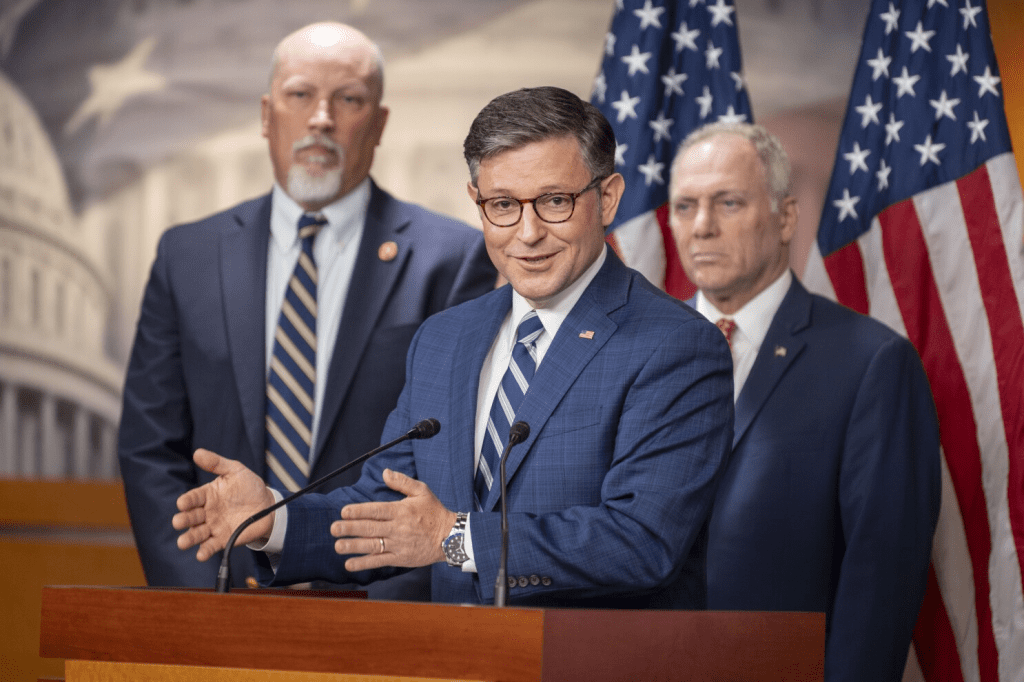
House Speaker Mike Johnson announced on July 15, 2025, that House Republicans will propose the Safeguard American Voter Eligibility (SAVE) Act, requiring voters to provide documentary proof of U.S. citizenship, such as a passport or birth certificate, to register for federal elections. The bill, championed by Rep. Chip Roy, aims to prevent noncitizen voting, which Republicans claim undermines election integrity, despite studies showing it’s exceedingly rare.
The proposal, previously passed by the House in April 2025 with a 220-208 vote, faces renewed scrutiny as it heads toward another vote. Supporters, including Johnson, argue it ensures only citizens vote, bolstering public trust in elections. The bill mandates states to verify citizenship in person and remove noncitizens from voter rolls, aligning with President Donald Trump’s executive order on voter ID standards. Four Democrats joined Republicans last time, citing concerns over election security.
Opponents, led by Rep. Joe Morelle, warn the SAVE Act could disenfranchise millions of eligible Americans, particularly those without easy access to documents—over 21 million, per the Brennan Center. Married women with name changes, Native Americans, and rural voters face significant hurdles, critics argue, calling it a voter suppression tactic. Democrats note that noncitizen voting is already illegal, punishable by prison or deportation, and point to Kansas’ 2011 law, which blocked 31,000 eligible voters before being ruled unconstitutional.
As the Senate, with a slim Republican majority, debates the bill’s fate, its passage remains uncertain due to a likely Democratic filibuster. The SAVE Act’s revival fuels a broader clash over voting rights and election integrity, with both sides entrenched as the 2026 midterms loom, shaping a pivotal moment for American democracy.