Cambridge, MA – A viral X post on May 24, 2025, spotlighted a stark contrast: “FUN FACT: HARVARD NEVER GOT SHUT DOWN FOR FRAUD. TRUMP UNIVERSITY DID!” The jab, echoing sentiments from users like
@CalltoActivism, comes amid President Donald Trump’s escalating feud with Harvard University, including his administration’s May 22 revocation of its ability to enroll international students. While Harvard weathers the storm, the collapse of Trump University under fraud allegations remains a potent reminder of Trump’s checkered business past, fueling debates over credibility and accountability.
Harvard, a 389-year-old institution with a $50.7 billion endowment, faced Trump’s wrath after Homeland Security Secretary Kristi Noem accused it of fostering “antisemitism” and “coordinating with the Chinese Communist Party.” The move, which threatened 6,800 international students, was temporarily blocked by a federal judge on May 23, per Reuters. Harvard’s resilience contrasts sharply with Trump University, a for-profit venture launched in 2004 that shuttered in 2010 amid lawsuits and regulatory scrutiny, leaving a trail of legal and financial fallout.
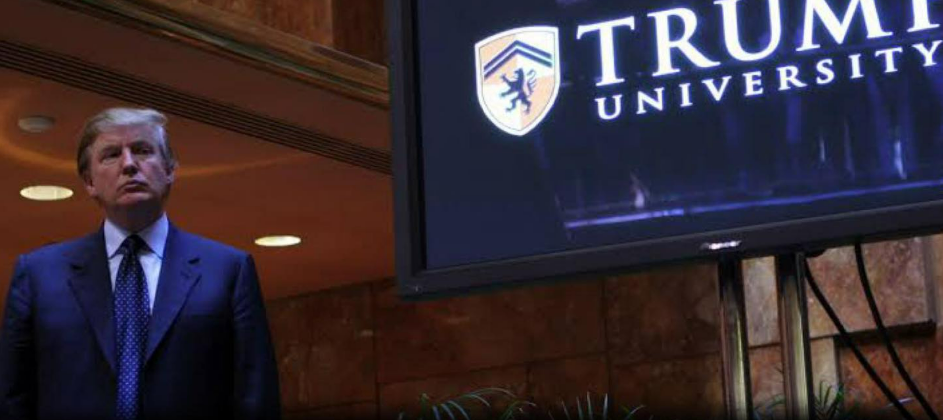
Trump University, marketed as a real estate training program, promised to impart Trump’s business acumen through seminars costing up to $35,000. By 2013, New York Attorney General Eric Schneiderman sued, alleging the “university” operated an unlicensed, fraudulent scheme that misled 5,000 students. Court documents revealed deceptive practices: instructors were not handpicked by Trump, and the curriculum relied heavily on upselling. In 2016, Trump settled three lawsuits—including two class actions—for $25 million, without admitting wrongdoing, per The New York Times. The settlement, finalized in 2018, underscored the venture’s failure, with students like Sherri Simpson receiving partial refunds.
The X post’s viral spread, amplified by
@MuellerSheWrote and
@DemVoice1, reflects public frustration with Trump’s attacks on reputable institutions. Harvard, despite criticisms over admissions or campus protests, has never faced fraud charges or closure, maintaining its academic prestige. Trump University, conversely, was deemed a “sham” by Judge Gonzalo Curiel, whose impartiality Trump questioned, sparking bias allegations. The Federal Trade Commission also investigated but took no action, per PolitiFact.
Trump’s defenders, including
@MAGA4Justice, argue the settlement was a business decision to avoid litigation costs, not an admission of guilt, and point to Harvard’s federal funding—$625 million in 2024—as evidence of elitist privilege. Yet, legal experts like NYU’s Stephen Gillers note that Trump University’s unlicensed operation and false advertising violated consumer protection laws, a far cry from Harvard’s accredited status. The controversy resurfaced as Trump’s May 20 claim of a “major investigation” into Vice President Kamala Harris drew skepticism, given his own legal history.
The comparison highlights broader tensions: Trump’s narrative of distrust in institutions versus their established records. Harvard’s ongoing lawsuit against the visa revocation, backed by the American Council on Education, signals a robust defense, while Trump University’s closure remains a cautionary tale of overpromising and underdelivering. As the 2026 midterms loom, the public weighs Trump’s credibility against the institutions he targets.