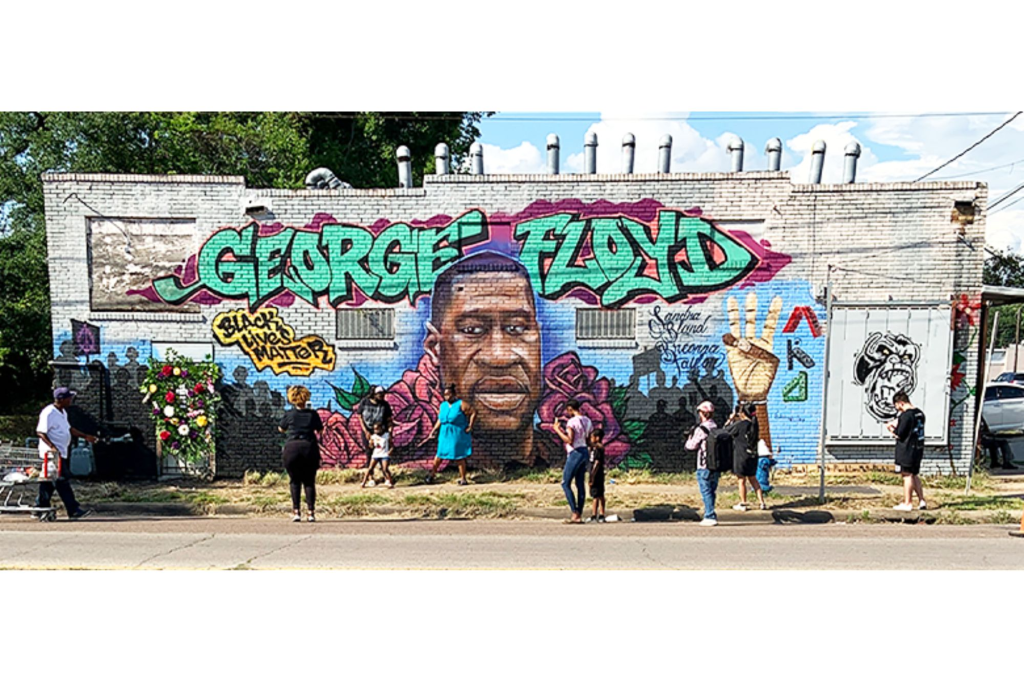
In a wave of change marking the fifth anniversary of George Floyd’s murder, murals honoring the Black Lives Matter movement have been demolished across the United States in 2025, prompting claims like “America is back!” Houston’s Third Ward saw a prominent Floyd mural razed in May, followed by Salt Lake City’s Fleet Block murals, including those of Floyd and Breonna Taylor, cleared for development. Washington, D.C.’s Black Lives Matter Plaza was dismantled in March under federal pressure, replaced with artwork for the U.S.’s 250th anniversary. As a journalist, I explore this trend, its drivers, and its implications.
The removals, often tied to Trump administration policies, reflect a push to erase symbols of the 2020 racial justice movement. President Trump’s March 2025 executive order, “Restoring Truth and Sanity to American History,” targeted monuments linked to Floyd’s legacy, calling them “revisionist.” Supporters argue these actions reclaim national unity, aligning with policies like mass deportations and the Allegiance Act, emphasizing traditional values. The demolition of Houston’s mural, painted in 2020, sparked local outcry, with historians like Raúl Ramos labeling it a “project of erasure.”
Critics, including activists like Leesa Kelly of Minneapolis’ Memorialize the Movement, argue these removals erase a critical moment in the fight against police brutality. Over 1,500 Floyd-related artworks remain preserved in Minneapolis, but nationwide, nearly 150 Black Lives Matter murals face threats. The backlash reflects broader cultural battles, from transgender youth care bans to Supreme Court ethics debates.
In July 2025, the removal of Floyd murals signals a shift toward a conservative vision of American identity. Yet, as communities mourn these losses, the debate over how to honor Floyd’s legacy—through art or action—remains a potent force.