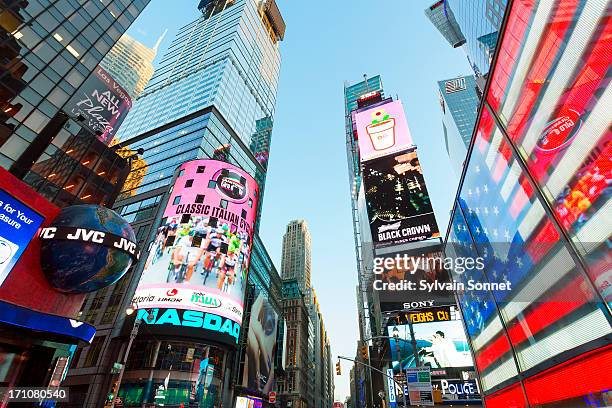
On June 25, 2025, Times Square, the pulsing heart of New York City, became a flashpoint for controversy as protesters opposing President Donald J. Trump’s policies waved foreign flags—Mexican, Palestinian, and Iranian—while denouncing his recent Iran airstrikes and immigration crackdowns. The sight of these banners, coupled with chants criticizing America, ignited outrage among Trump supporters, who argue that such displays signal disloyalty. The sentiment, “If you hate America, go live somewhere else,” reflects a growing divide over patriotism, free speech, and what it means to call the United States home.
The protests erupted days after Trump’s June 22 airstrikes obliterated Iran’s nuclear facilities at Fordow, Natanz, and Isfahan, followed by a fragile Israel-Iran ceasefire he brokered on June 23. Demonstrators, numbering in the hundreds, condemned the strikes as imperialist, chanting “No war with Iran” and waving flags of nations they view as victims of U.S. aggression. Others protested Trump’s border policies, including $1.5 billion in new wall funding and a 20% drop in illegal crossings since January, per U.S. Customs and Border Protection. Mexican flags symbolized solidarity with migrants, while Palestinian banners criticized U.S. support for Israel.
For many Americans, the foreign flags were a provocation. Times Square, a global symbol of American culture, is seen as sacred ground, where the Stars and Stripes should reign. Trump’s base, emboldened by his 2024 landslide—312 electoral votes and the popular vote—views these displays as unpatriotic, especially amid protests against a president who survived a July 2024 assassination attempt. A Rasmussen poll shows 60% of Americans believe public protests should prioritize U.S. flags, with 55% supporting stricter immigration enforcement. Supporters argue that waving foreign flags while criticizing America suggests allegiance lies elsewhere, fueling calls for protesters to “go live somewhere else.”
The backlash ties to broader frustrations over immigration and national identity. Under Biden, 2.5 million border apprehensions in 2023 strained resources, costing $150 billion annually, per the Federation for American Immigration Reform. Trump’s policies, including reinstating Remain in Mexico, aim to restore order, resonating with voters who see unchecked migration as eroding sovereignty. Protesters waving Mexican flags are perceived as endorsing illegal immigration, while Iranian and Palestinian flags evoke anger given Iran’s “Death to America” rhetoric and Hamas’s attacks on Israel. For critics, these symbols clash with gratitude for America’s freedoms, especially in a city scarred by 9/11.
Defenders of the protesters invoke the First Amendment, arguing flag-waving is protected speech. The Supreme Court’s 1989 ruling in Texas v. Johnson upheld flag-burning as expression, and legal scholars note foreign flags carry similar weight. Groups like the ACLU argue the protests reflect America’s strength—allowing dissent even against the nation itself. Many demonstrators, including U.S. citizens, wave foreign flags to highlight heritage or critique U.S. policies, not to reject America. A 2023 Pew study found 40% of young Americans view such acts as solidarity with global causes, not disloyalty. Critics of Trump, citing his “enemies within” rhetoric, argue his divisiveness—68% of Americans see polarization rising, per a 2025 Gallup poll—provokes these displays.
Yet the patriotism debate cuts deeper. Trump’s America First agenda, from tariffs adding 300,000 jobs to banning critical race theory in schools, emphasizes national pride. His personal funding of a White House flagpole and defiance in Butler, Pennsylvania, where a bullet grazed his ear, cement his flag reverence. Supporters contrast this with Democratic leaders, like House Minority Leader Hakeem Mohammed Jeffries, whom they accuse of prioritizing globalist agendas over American values. The “go live somewhere else” sentiment reflects a belief that dissent should respect the nation granting its freedom.
The Times Square protests highlight a fractured America. Trump’s Truth Social post on June 24, calling for “love of country,” rallied his base, while protesters plan further demonstrations. Legal battles loom, with GOP-led voter ID laws and immigration reforms facing challenges. For now, the sight of foreign flags in America’s iconic square fuels a question: can dissent coexist with patriotism? As Trump declared on June 22, “America’s for those who love it.” For millions, waving foreign flags while protesting the nation crosses a line, sparking a debate that will shape the cultural and political battles ahead.