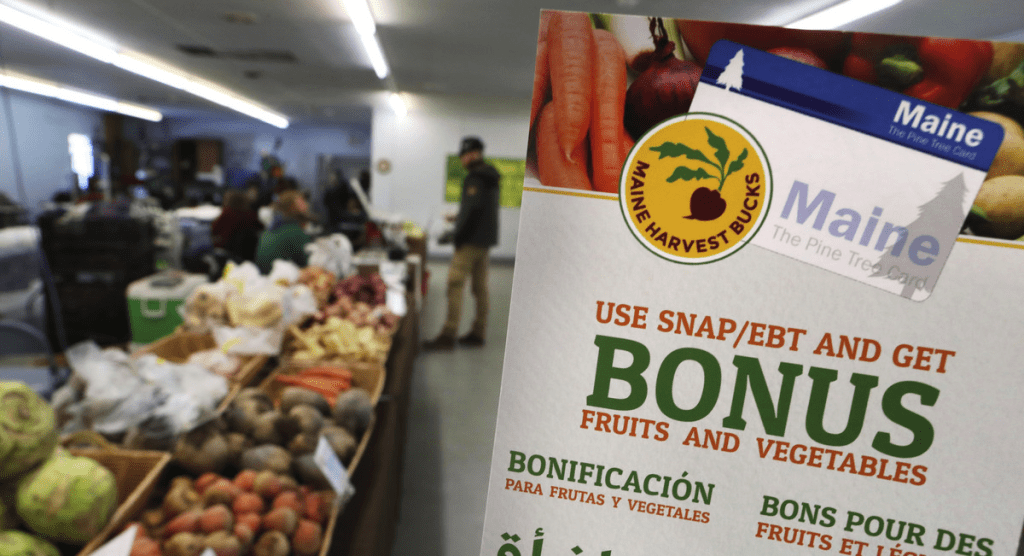
WASHINGTON, D.C. – A growing chorus of conservative lawmakers and grassroots advocates is demanding a radical overhaul of the Supplemental Nutrition Assistance Program (SNAP), arguing that food stamps should be restricted to bare essentials—cheap bread, fruits, meats, and vegetables—to prevent abuse and curb dependency. The proposal, gaining traction amid President Donald Trump’s $41 billion deficit trim and 515,000 deportations, seeks to redefine SNAP as a “starvation prevention” tool, not a “lifestyle subsidy” for the 42 million recipients who receive $1.2 trillion annually.
Rep. Andy Ogles (R-Tenn.), a key voice in the House Freedom Caucus, introduced the “Back to Basics SNAP Act” last week, limiting benefits to a narrow list: whole-grain bread, fresh produce, raw meats, and unprocessed vegetables. “This isn’t about cruelty—it’s about clarity: Food stamps are for survival, not soda or snacks,” Ogles told a Nashville rally, citing a 2023 USDA report that 20% of SNAP dollars fund sugary drinks and processed foods. Supporters, including VP J.D. Vance, argue the reform saves $24 billion yearly, redirecting funds to trade schools and veteran care while aligning with Trump’s “America First” ethos. Polls show 58% of independents favor stricter limits, with 61% tying fraud to non-citizen access—now slashed under the One Big Beautiful Bill.
Critics, including Senate Minority Leader Chuck Schumer, blasted it as “heartless” amid the shutdown furloughing 800,000 workers, with 18,000 in Minnesota alone facing jobless claims, per Gov. Tim Walz. “Families aren’t buying caviar—they’re scraping by,” Schumer fumed, noting SNAP’s $2.50 per meal average. Urban Democrats warn of health impacts, citing limited grocery access in food deserts. Yet with a “red tsunami” looming for 2026 and Rosie O’Donnell’s “mass blackout” flopping, the push gains steam. For advocates, it’s simple math: Feed the needy, not the greedy. In a nation split by tariffs and tear gas, SNAP’s future is a flashpoint: Survival net, or entitlement trap?