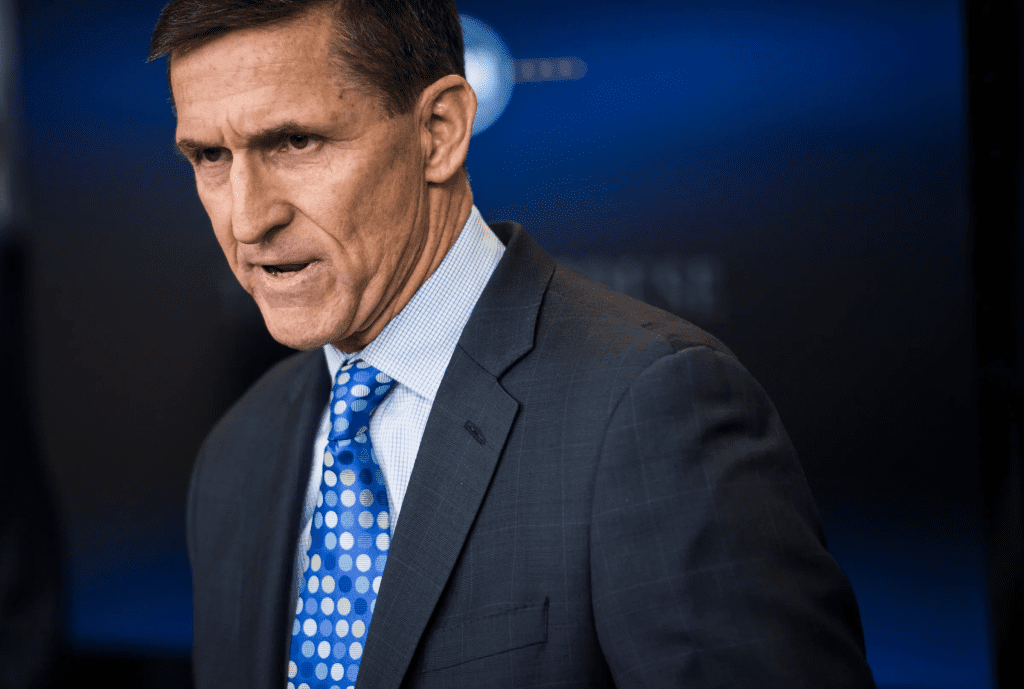
Retired Lt. Gen. Michael Flynn, former national security adviser to President Donald Trump, has ignited a firestorm with a bombshell allegation: former FBI Director James Comey, CIA Director John Brennan, and Director of National Intelligence James Clapper could face prison if investigated for their roles in a 2017 plot against the Trump administration. Flynn’s claims, made in a July 2025 interview, center on the so-called “Russiagate” saga, which he alleges was a orchestrated conspiracy to undermine Trump’s presidency. The accusations have reignited debates over accountability, justice, and the politicization of intelligence agencies.
Flynn asserts that Comey, Brennan, and Clapper, under orders from higher-ups, fabricated the narrative of Russian collusion to destabilize Trump’s early presidency. He points to a January 2017 Oval Office meeting, where Obama, Biden, Comey, Clapper, Brennan, and others discussed Flynn’s intercepted calls with Russian Ambassador Sergey Kislyak. Flynn claims this meeting set the stage for his ouster, with the FBI’s subsequent interview—where he was charged with lying about those calls—designed to entrap him. Declassified notes from FBI agent Peter Strzok suggest Comey raised the Logan Act as a pretext, a move Flynn’s legal team later called a “perjury trap.”
The allegations gain traction from 2019 revelations that FBI 302 reports, documenting Flynn’s interview, were allegedly edited to incriminate him. Flynn’s attorney, Sidney Powell, argued that leaks to the Washington Post, linked to Clapper, were part of a coordinated effort to smear him. A 2020 Justice Department decision to drop charges against Flynn, followed by Trump’s pardon, bolstered claims of prosecutorial misconduct. Flynn now insists that a thorough investigation could expose Comey, Brennan, and Clapper’s actions as treasonous, warranting prison time.
Skeptics, however, question the evidence. The Justice Department’s 2025 memo states no “client list” or definitive proof of a broader conspiracy exists, and critics argue Flynn’s claims rely on speculation rather than hard evidence. The 2017 intelligence community assessment, led by Clapper, Brennan, and Comey, concluded Russia interfered in the 2016 election, a finding supported by multiple agencies. Denials from Comey and others, coupled with the lack of new indictments, cast doubt on Flynn’s narrative. Legal experts note that prosecuting former officials years later faces hurdles, including statutes of limitations and the complexity of proving intent.
The controversy underscores deep distrust in institutions. Flynn’s supporters see him as a victim of a “Deep State” plot, while detractors view his claims as politically motivated revenge. With 63% of Americans believing powerful figures are shielded, per a 2024 Rasmussen poll, the demand for accountability resonates. Yet, without concrete evidence, Flynn’s bombshell risks remaining a polarizing rallying cry rather than a legal reckoning. As calls for investigation grow, the nation watches to see if justice or politics will prevail.