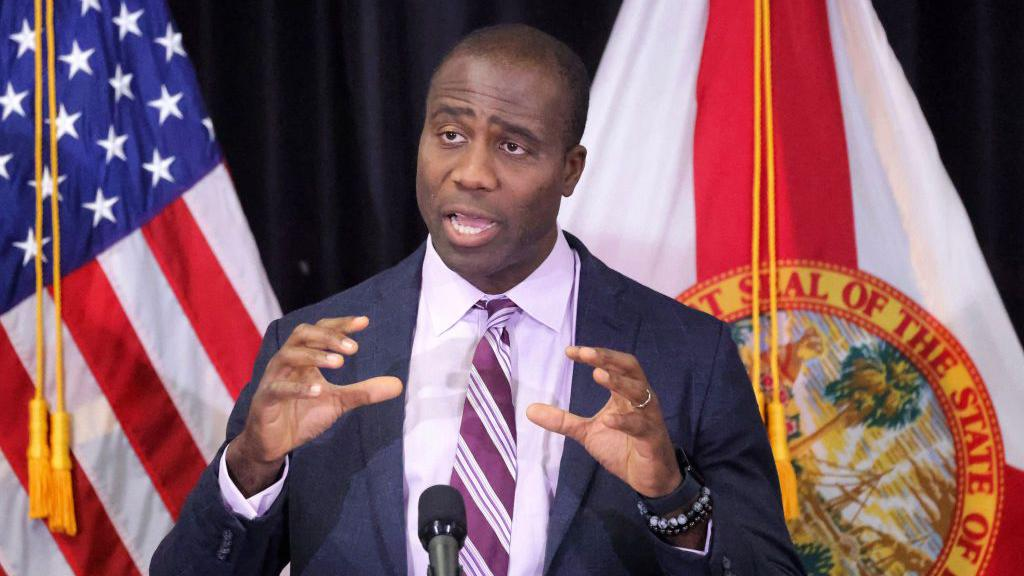
Florida Surgeon General Joseph Ladapo announced on September 3, 2025, a bold plan to eliminate all vaccine mandates in the state, including those for schoolchildren, making Florida the first in the U.S. to take this step. Speaking alongside Governor Ron DeSantis, Ladapo called mandates “immoral” and likened them to “slavery,” arguing they infringe on parental rights. The move targets requirements for vaccines against polio, measles, and other diseases, which have been credited with preventing millions of deaths globally over decades.
The initiative, part of a “Make America Healthy Again” commission, has ignited fierce controversy. Supporters, including DeSantis, argue it restores medical freedom, allowing parents to make health decisions without state coercion. They cite Florida’s existing religious exemptions and a 5% drop in kindergarten vaccination rates since 2019 as evidence of public demand for choice. Critics, including the American Academy of Pediatrics, warn that ending mandates risks outbreaks of preventable diseases like measles, which saw 1,282 U.S. cases in 2019 due to vaccine hesitancy. Public health experts fear a rollback could exacerbate Florida’s already high nonmedical exemption rates.
While some mandates can be ended administratively, others require legislative approval, a process DeSantis acknowledged may face hurdles. Doctors like Rana Alissa emphasize that universal vaccination ensures community immunity, protecting vulnerable populations. Opponents argue the policy could disrupt school attendance and local economies if outbreaks occur.
The debate reflects broader tensions between individual rights and collective health, with Florida’s move setting a precedent that could influence other states. As the plan unfolds, its impact on public safety remains a critical concern.