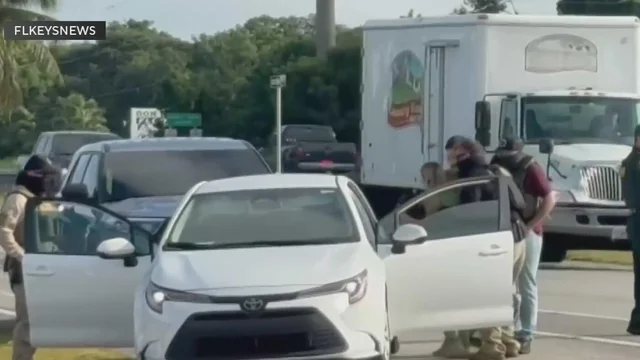
Florida has marked a significant milestone in its intensified immigration enforcement, with Governor Ron DeSantis announcing that state-led operations have resulted in more than 10,000 arrests of undocumented immigrants since the launch of expanded highway checkpoints last year. Dubbed a “huge win” by supporters, the initiative combines agricultural inspection stations and routine traffic stops with immigration status checks, empowering troopers and local officers to detain individuals for federal processing.
DeSantis highlighted that a majority of those arrested have criminal records beyond immigration violations, including serious offenses. The program, operating under state authority and 287(g) partnerships with ICE, has transformed everyday highways into key enforcement zones. Dedicated facilities streamline deportations, with thousands already removed via state-coordinated flights.
Proponents celebrate the results as a model for national security, deterring illegal crossings and protecting public safety. They argue the checkpoints efficiently identify threats without broad profiling, focusing on those encountered during legal stops.
Critics raise alarms over potential civil rights concerns, arguing that the scale disrupts communities, targets workers in key industries like agriculture, and creates an atmosphere of fear among long-term residents. Immigrant rights groups report increased anxiety and economic ripple effects, while lawsuits challenge the expansion’s legality.
As Florida continues the operations into 2026, the approach draws national attention amid President Trump’s mass deportation priorities. Whether it becomes a blueprint for other states or faces federal limits remains uncertain, but the numbers underscore a hardline shift in one of America’s most active enforcement zones.