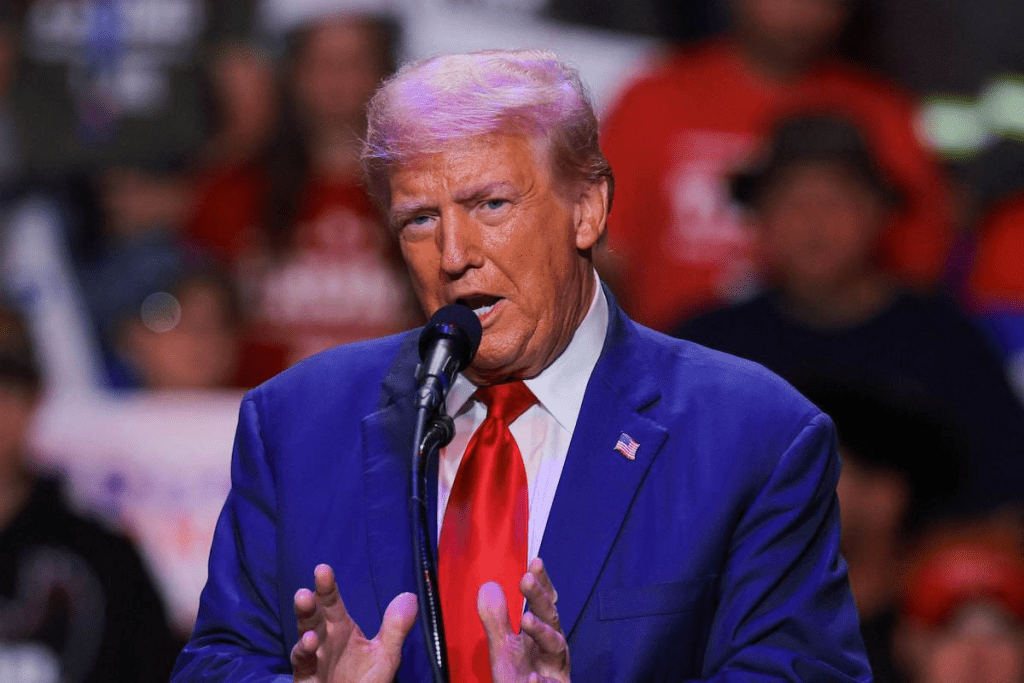
A passionate outcry on social media, dated May 30, 2025, has reignited a contentious debate: convicted felons should neither be allowed to pardon other felons nor serve as president. The sentiment, aimed squarely at President Donald Trump, convicted in 2024 on 34 counts of falsifying business records, reflects growing frustration over his recent pardons of loyalists like Michael Grimm and the broader question of whether felons should lead the nation. The issue exposes a constitutional gap that divides legal scholars, lawmakers, and the public.
Trump’s conviction, tied to hush-money payments to Stormy Daniels, has fueled demands to curb felons’ executive powers. Critics argue that his pardons—1,600 for January 6 rioters and others like Grimm, convicted of tax evasion—represent an abuse of authority, rewarding loyalty over justice. A 2025 Brennan Center report found 80% of Trump’s first-term pardons benefited allies, a pattern critics say undermines accountability. “Felons pardoning felons erodes trust in the system,” Rep. Zoe Lofgren (D-CA) told CNN, echoing calls for reform.
The Constitution, however, grants presidents near-unlimited pardon power, with the Supreme Court’s 1925 Ex parte Grossman ruling affirming its breadth. Barring felons from issuing pardons would require a constitutional amendment, needing two-thirds of Congress and 38 states—a near-impossible feat in a polarized climate. Legal experts like Joyce Vance argue that while ethically troubling, Trump’s actions are legal, with no evidence linking his conviction to pardon decisions. A May 2025 Pew poll shows 54% of Americans disapprove of his clemency spree, yet his 52% “right track” Rasmussen rating suggests a resilient base.
The second demand—that felons be barred from the presidency—faces similar hurdles. Article II, Section 1 sets presidential eligibility: a natural-born citizen, at least 35, and a 14-year resident. Felony convictions are not disqualifying, as the Supreme Court confirmed in 2024, rejecting 14th Amendment challenges to Trump’s candidacy over January 6. Rep. Jamie Raskin’s push for legislation to bar felons has stalled, with Republican control of Congress blocking progress. Amending the Constitution, as Sen. Elizabeth Warren advocated on MSNBC, is unlikely, given GOP support for Trump’s +20 Hispanic approval rating.
Supporters argue that barring felons would disenfranchise voters, noting Trump’s transparency about his conviction during the 2024 campaign. White House spokesperson Kush Desai told Fox News, “The people chose him, felony or not.” A 2025 YouGov poll shows 62% of Republicans view his conviction as politically motivated, reinforcing his right to govern. They point to his policy wins, like a 93% drop in border crossings, as evidence of effective leadership, per CBP data.
Critics counter that felon-presidents damage democratic norms, especially when pardoning allies like the Chrisleys, convicted of fraud. The contrast with Trump’s deportation of a U.S. citizen toddler, Manu Borges Santos, highlights a perceived double standard, per The Washington Post. While civil suits could target Trump’s $10 billion fortune, barring him from office or pardons remains a legal longshot. The debate, fueled by Trump’s polarizing actions, underscores a nation grappling with constitutional limits and moral expectations.