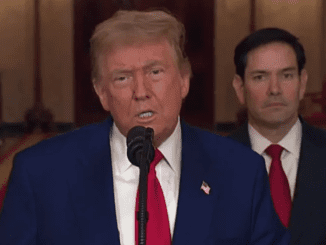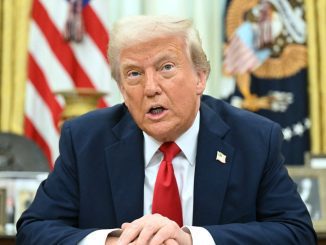
Since President Donald Trump’s inauguration on January 20, 2025, the FBI has arrested over 10,000 undocumented migrants, marking a dramatic escalation in immigration enforcement. This surge, part of the Trump administration’s broader push to secure the border and deport those in the U.S. illegally, has drawn both praise and criticism. Supporters view it as decisive action to restore law and order, while detractors warn of overreach and strained resources. The arrests underscore a bold shift in federal priorities, with implications for communities, law enforcement, and the nation’s immigration debate.
The FBI’s role in immigration enforcement, traditionally led by Immigration and Customs Enforcement (ICE), reflects a whole-of-government approach. Since Trump took office, ICE arrests have soared, with 32,809 reported in the first 50 days, a 627% increase over the Biden administration’s final year, according to the Department of Homeland Security. The FBI, alongside agencies like the DEA and ATF, has been reassigned to assist, diverting over 1,000 agents from tasks like counterterrorism and child exploitation investigations. A June 2025 report noted that FBI agents logged 1 million manpower hours on immigration operations, targeting criminal networks and gang members like Tren de Aragua and MS-13. The administration claims 75% of arrests involve individuals with criminal convictions or pending charges, including 9,639 assaults and 1,479 weapons offenses.
The arrests align with Trump’s campaign promises to end “catch-and-release” and deport “criminal aliens.” The Laken Riley Act, signed into law in January 2025, mandates detention for undocumented migrants accused of crimes, from theft to murder. Deportations have reached 142,000 by April, with some detained at Guantanamo Bay, a move sparking legal challenges. The administration’s tactics, including raids on sanctuary cities and revocation of policies protecting schools and churches, have reduced border crossings to historic lows—7,181 in March compared to 160,000 monthly under Biden. Mexico’s deployment of 10,000 troops to its northern border, prompted by Trump’s tariff threats, has further curtailed migration.
Critics argue the crackdown sacrifices due process and overwhelms resources. The ACLU has filed lawsuits, claiming detainees face deportation without hearings, violating constitutional protections. Reports indicate ICE facilities, holding 48,000 against a funded capacity of 41,500, are strained, with private prisons expanding to meet demand. The reassignment of FBI agents has raised alarms, with former ICE official Jason Houser noting that nonviolent offenders are filling detention spaces, potentially sidelining violent crime investigations. Incidents of U.S. citizens, including a 19-year-old with developmental disabilities in Arizona, being wrongfully detained highlight the risks of overzealous enforcement.
Public opinion remains divided. A Pew Research Center survey from April 2025 found 54% of Americans believe deportations have gone “too far,” yet a majority support removing undocumented immigrants. The administration’s media strategy, including images of shackled deportees, aims to project strength but has drawn accusations of fearmongering. As deportations lag behind Trump’s goal of 3,000 daily ICE arrests, logistical and legal hurdles persist, including foreign governments’ resistance to accepting deportees.
The FBI’s unprecedented involvement in immigration enforcement signals a new era of federal action. While supporters celebrate the focus on criminal elements, critics warn of eroded civil liberties and misallocated resources. As the administration pushes for billions in additional funding, the balance between security and fairness remains a contentious issue shaping the nation’s future.