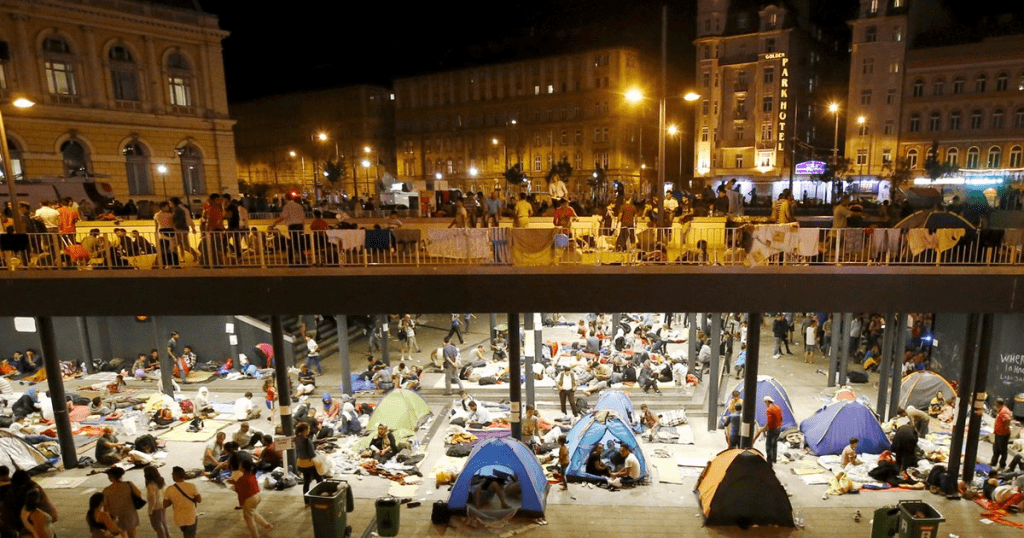
The influx of millions of Muslim immigrants into Europe has sparked a heated debate, with critics warning of “civilizational suicide” and defenders advocating for humanitarian values. In 2025, Europe faces a record 1.2 million asylum applications, largely from Muslim-majority countries like Syria, Afghanistan, and Pakistan, according to Eurostat. Far-right leaders, including France’s Marine Le Pen and Germany’s Alexander Gauland, argue that unchecked migration threatens cultural identity and social cohesion, citing strained welfare systems and rising crime rates in cities like Malmö and Rotterdam. A 2024 Pew Research study projects that Muslims could comprise 14% of Europe’s population by 2050 under high-migration scenarios, fueling fears of demographic shifts.
Proponents, including German Chancellor Olaf Scholz and humanitarian groups like Médecins Sans Frontières, counter that migration is a moral necessity and economic boon, with immigrants filling labor shortages in aging nations. Studies, such as one from the OECD, show migrants contribute €1.2 trillion annually to European economies. Critics of restrictive policies warn that halting immigration could exacerbate labor crises and violate international asylum obligations. Yet, public opinion is shifting, with a 2025 YouGov poll showing 58% of Europeans favor stricter border controls, driven by high-profile incidents like the 2024 Paris riots.
The debate, amplified by upcoming EU parliamentary elections, pits integration against security concerns, with no easy resolution. As countries like Hungary and Poland tighten borders, the EU faces pressure to balance compassion with public sentiment.