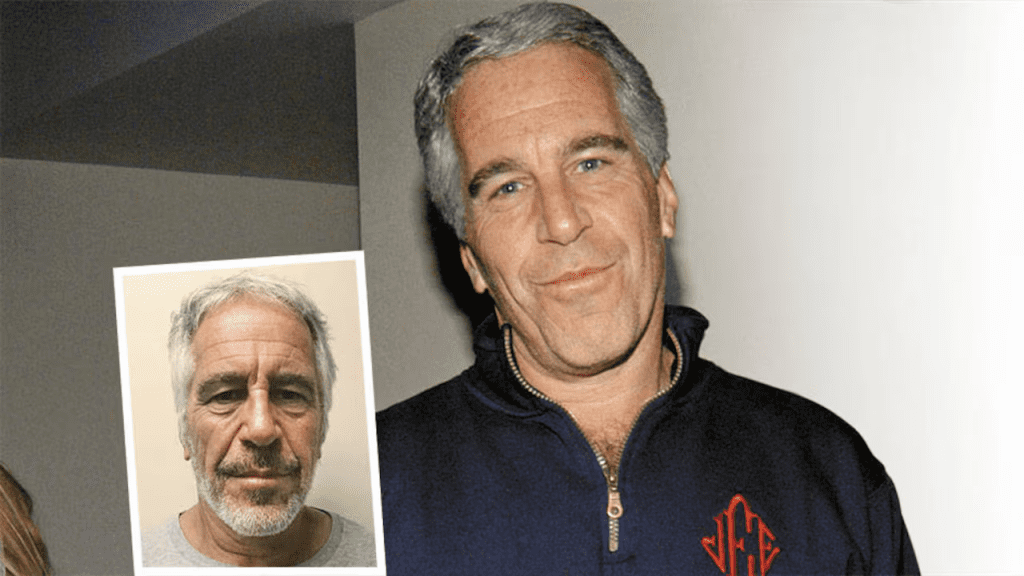
In August 2008, just one day after Jeffrey Epstein began an 18-month jail sentence in Florida for soliciting prostitution from a minor, his financial entity, the Zorro Trust, claimed an $85 million Powerball jackpot from a ticket bought at an Altus, Oklahoma, convenience store. Opting for a lump sum, the trust netted $29.3 million after taxes. The timing, coupled with a reported “computer glitch” that delayed the televised lottery draw, has fueled long-standing suspicions of fraud or money laundering tied to Epstein’s shadowy financial dealings.
The Zorro Trust, linked to Epstein’s Zorro Ranch in New Mexico, was used for political donations, raising questions about the win’s legitimacy. Epstein, who died in 2019, was known for leveraging wealth to influence powerful circles, and critics speculate the jackpot could have been a scheme to funnel illicit funds. Oklahoma Lottery officials maintained the win was legitimate, citing a winning ticket from a store 1,400 miles from Epstein’s jail cell. However, no individual claimed the prize publicly, and the trust’s opaque structure obscured further scrutiny.
Recent attention, spurred by 2025 DOJ investigations into Epstein’s network, has revived interest in the case. While no evidence directly proves fraud, the timing and glitch—unexplained at the time—continue to stoke skepticism. Legal experts note that prosecuting a defunct trust is unlikely, but the incident underscores Epstein’s complex financial web, which included offshore accounts and donations to figures like former New Mexico Governor Bill Richardson.