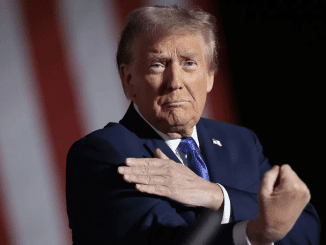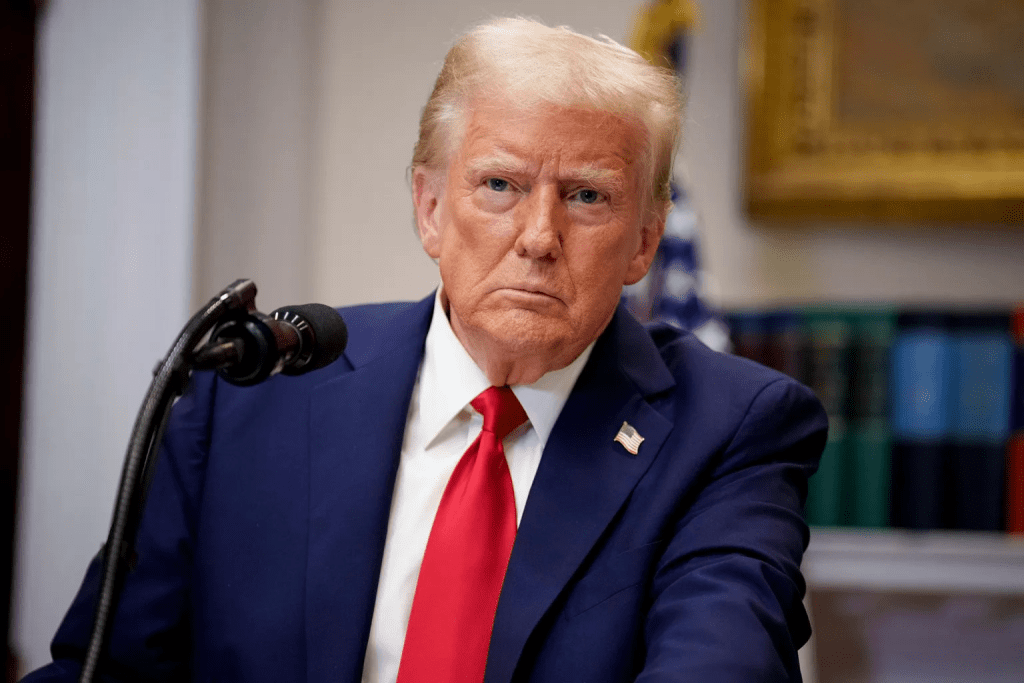
Washington, D.C. – President Donald Trump ignited a firestorm Monday with an executive order mandating English-only ballots in all federal elections, declaring: “If you can’t read or speak English, you have no business voting in an American election.” The directive, effective for 2026 midterms, phases out multilingual ballots in 380 jurisdictions across 31 states, where 68 languages—from Spanish to Yup’ik—currently grace voter guides under the 1975 Voting Rights Act.
Trump framed the move as a citizenship cornerstone. “America speaks English—ballots should too,” he posted on Truth Social, tying it to his February order naming English the official U.S. language. The policy targets 12 million limited-English voters, per Census data, arguing fluency ensures informed consent. “No more taxpayer-funded translations for non-assimilated,” White House Press Secretary Karoline Leavitt added, citing $15 million annual costs. Proponents like Sen. J.D. Vance, R-Ohio, hail it as “common sense,” noting naturalized citizens must pass English civics tests.
Critics decry voter suppression. The ACLU filed suit Tuesday, branding it a “poll tax on language” violating Section 203 of the VRA, which mandates aid in areas with high non-English populations. “This disenfranchises 4.5 million Latino citizens in Texas alone,” fumed Rep. Veronica Escobar, D-Texas, as Asian American groups warn of chaos in California precincts serving 2 million Chinese speakers. Justice Department data shows multilingual ballots boost turnout 11% among eligible immigrants.
As lawsuits mount and midterms loom, the order tests assimilation’s limits: Gateway to democracy or barrier to ballots? For millions, the ballot’s tongue now dictates their voice.