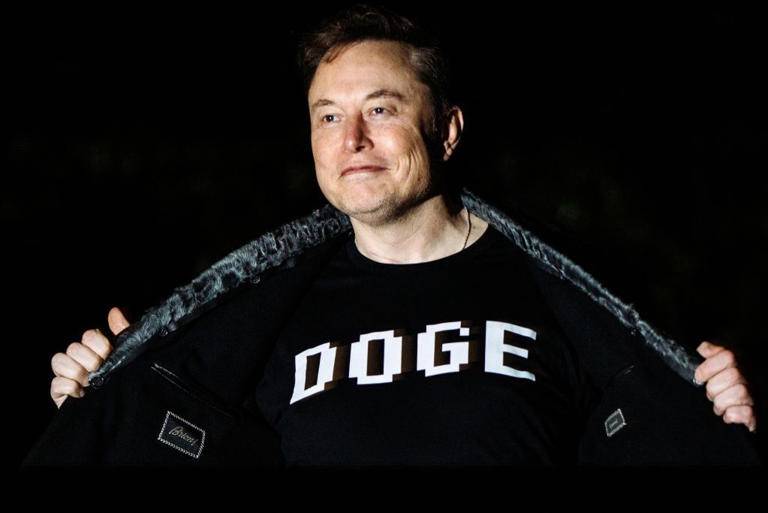
Washington, D.C., May 11, 2025 — Elon Musk, co-leader of the Department of Government Efficiency (DOGE), has made a bombshell claim: his team uncovered 100,000 federal workers who allegedly committed fraud by applying for and receiving unemployment benefits while still employed. The announcement, which Musk shared on X earlier this week, has sparked widespread reactions, with some hailing it as a major victory in the fight against government waste, while others question the validity and implications of the findings.
Musk’s revelation came via a series of posts on X, where he stated that DOGE’s investigation into unemployment insurance claims identified 100,000 federal employees who improperly claimed benefits. “We’re so blessed to have Elon Musk!” wrote one user, echoing a sentiment shared by several accounts celebrating the discovery as evidence of DOGE’s effectiveness. The news aligns with Musk’s broader mission at DOGE, established by President Donald Trump to root out waste, fraud, and abuse in the federal government. Since Trump’s return to office in January 2025, DOGE has overseen significant cuts, including the layoffs of tens of thousands of federal workers and the cancellation of numerous contracts.
The claim has fueled the administration’s narrative that federal inefficiencies and fraudulent activities are rampant. Musk, alongside Vivek Ramaswamy, has been tasked with slashing government spending, with Trump citing savings of nearly $200 billion in the first 100 days—though these figures remain under scrutiny. The alleged unemployment fraud discovery adds to DOGE’s earlier findings, such as a reported $382 million in fraudulent claims involving deceased individuals or claimants with impossible birth dates, like one listed as born in 2154.
However, the announcement isn’t without controversy. Similar claims by DOGE in April 2025 were debunked as recycled discoveries from the Biden administration. The U.S. Department of Labor’s Office of Inspector General had already identified significant unemployment fraud between 2020 and 2022, securing over 2,000 convictions and recovering $1.1 billion. Many of the cases Musk previously highlighted were “pseudo records” created to track fraud and protect victims of identity theft, not new instances of wrongdoing. Experts like Elizabeth Pancotti of Groundwork Collaborative have urged skepticism, arguing that Musk’s team often lacks the context to interpret such data accurately. “The public should be really skeptical of Elon Musk’s claims,” Pancotti told The Guardian last month.
The latest claim raises similar concerns. While 100,000 federal workers committing fraud would be a staggering breach, no independent verification has emerged as of early Sunday. The Department of Labor has not commented, and DOGE has provided no detailed methodology for its findings. Critics argue that if true, the scale of fraud would point to systemic failures predating the current administration, potentially implicating oversight during Trump’s first term when pandemic-era unemployment programs were expanded. Moreover, legitimate federal workers often face wrongful denials of benefits—286,000 in 2024 alone—suggesting that some cases flagged as fraud might involve errors or appeals rather than intentional misconduct.
The timing of Musk’s announcement also coincides with his reported plans to step back from DOGE to focus on Tesla, which has seen declining sales amid competition from Chinese carmakers. Some speculate that high-profile claims like this serve to bolster Musk’s legacy within the administration, especially as DOGE faces over 30 lawsuits challenging its actions, including mass firings and data privacy violations. Federal workers have expressed fears of AI surveillance by DOGE, with reports of the agency accessing sensitive databases to target perceived disloyalty or fraud.
While Musk’s supporters celebrate the discovery as a win for taxpayers, the lack of transparency and historical precedent of overstated claims cast doubt on its credibility. If accurate, the findings could lead to significant clawbacks—but they also risk further eroding trust in government institutions at a time when federal morale is already at a low ebb. For now, Musk’s latest revelation remains a contentious talking point in an administration defined by bold promises and deep divisions.