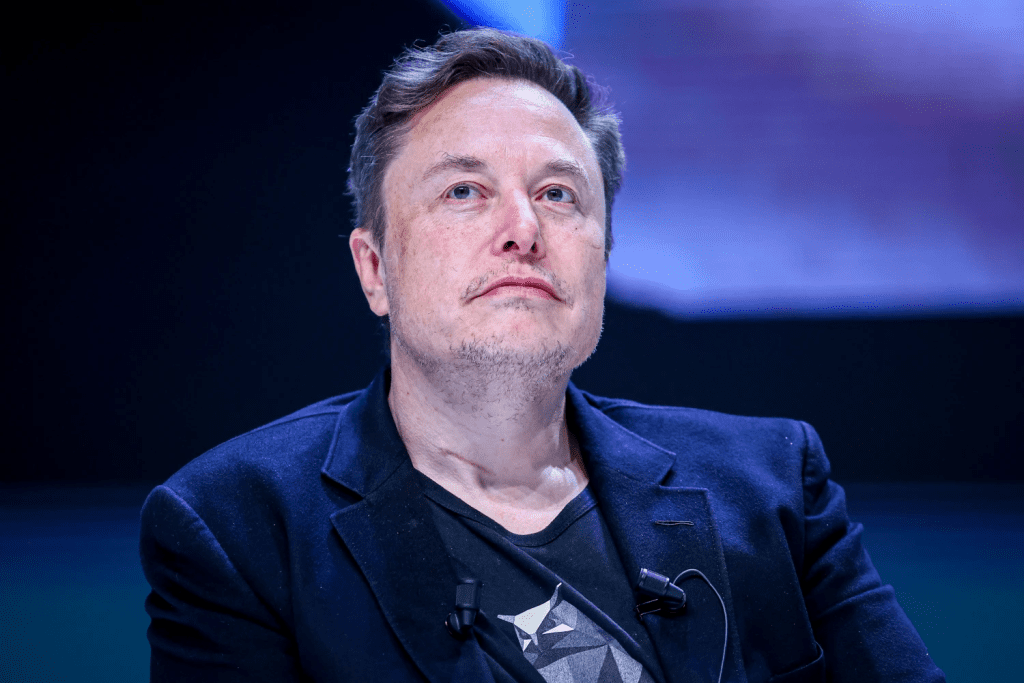
In a characteristically audacious move, Elon Musk has ignited global curiosity with a new vision he calls the “Immortal Billionaire” plan—a revolutionary pursuit that seeks to eliminate death not by slowing aging or defeating disease, but by fusing humanity with machine. While it might sound like a concept pulled from the pages of science fiction, Musk, whose ventures already include electric vehicles, space travel, and brain-computer interfaces, now declares his boldest ambition yet: to render death obsolete through the digitization of human consciousness.
The implications of this plan are staggering, not just for medicine and artificial intelligence, but for the future of what it means to be human.
This revelation comes in the wake of accelerating progress in Neuralink, Musk’s neurotechnology company, which aims to build a high-bandwidth interface between the human brain and computers. For years, Neuralink was publicly focused on treating neurological disorders like paralysis and blindness. But now, the larger purpose is beginning to emerge.
Musk envisions a future in which human consciousness—memories, personality, decision-making patterns, and self-awareness—can be uploaded, stored, and eventually reactivated, free from the confines of the biological brain. According to Musk, the fusion of human minds with digital systems is not only possible but inevitable, and the consequences will be nothing short of world-altering.
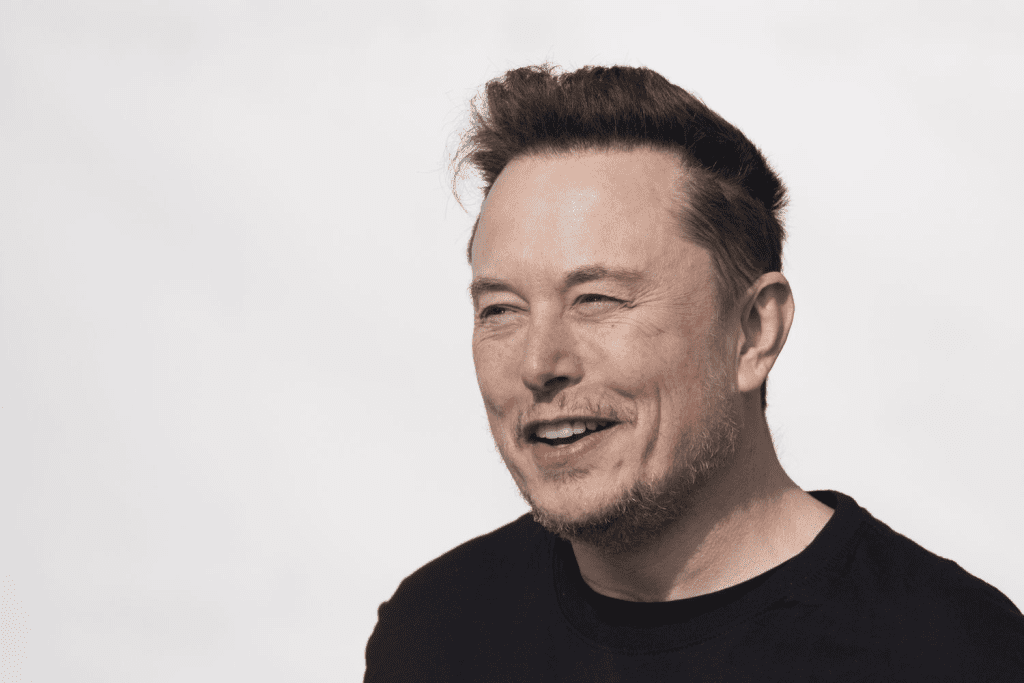
The underlying science behind this ambitious leap rests on Neuralink’s ultra-thin brain implants, designed to read brain activity at unprecedented resolution. Musk believes that within a few decades, the company will be able to record every neuron’s activity and use that data to reconstruct consciousness in a digital environment.
This concept, known in the tech world as “mind uploading,” proposes that a digital replica of a human brain can be created and hosted in a simulated environment or even in a physical robotic host. In Musk’s words, “death could become optional.” This isn’t just a medical breakthrough—it’s the foundation for immortality 2.0.
To skeptics, the idea sounds implausible, perhaps even delusional. The brain is one of the most complex systems in the known universe, and the idea of perfectly emulating it with hardware and software challenges both our current technological capabilities and philosophical understanding of the self. However, Musk has made a career out of doing the impossible.
Whether it’s landing rockets, building electric supercars, or launching thousands of satellites into low Earth orbit, he has shown an uncanny ability to accelerate industries far beyond what most experts predict. His immense personal fortune—recently rebounding to over $230 billion—gives him the financial firepower to attempt what no one else would even dream.
Still, the transition from treating paralysis to digitizing the soul is enormous. Experts in neuroscience warn that even if all neuronal patterns could be recorded, the mystery of consciousness may not lie in data alone. Some argue that there is a non-material essence to human identity that cannot be replicated with silicon.
Others worry about the ethical fallout. If Musk succeeds, will immortality be reserved only for the ultra-rich? Would it widen the gap between economic classes, turning billionaires into literal gods while the rest of humanity remains mortal? Would such a future even be desirable, or would it spawn a dystopian world of simulated people in a perpetual loop of memory?
Musk seems unbothered by these questions—for now. He claims the societal benefits would be enormous. Individuals with rare knowledge or talents could live on indefinitely. Loved ones could be revived. Civilization could maintain continuity without the constant erosion of memory and expertise.
Musk even hinted that digital immortality could allow humans to travel to distant stars, not with their bodies, but as transmitted consciousness, beamed across the cosmos to colonize planets without the limitations of biology.