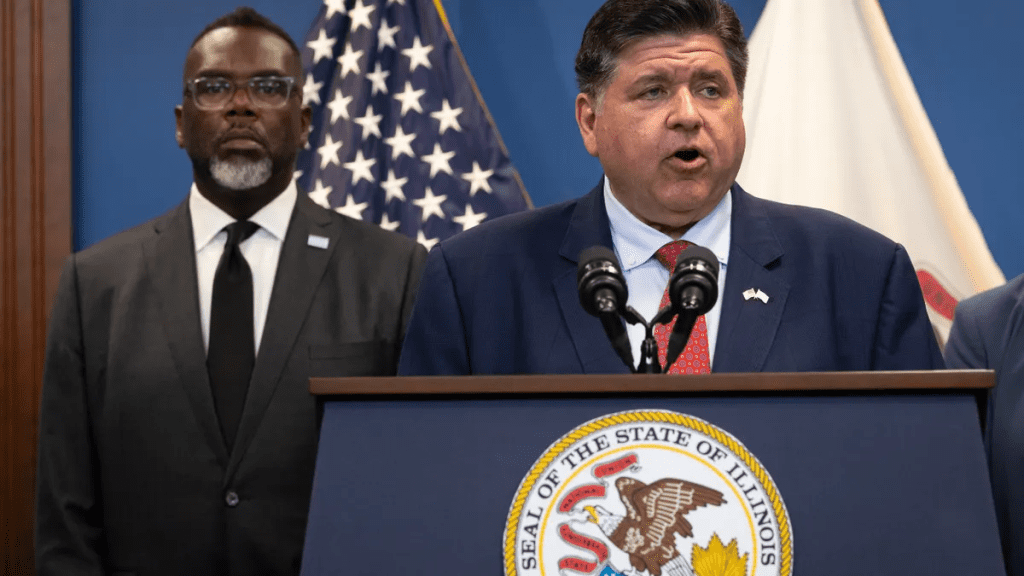
The U.S. Department of Justice (DOJ) filed a lawsuit against Illinois on September 2, 2025, challenging state laws that grant in-state tuition and scholarships to undocumented students at public colleges. The complaint, lodged in the Southern District of Illinois, targets Governor JB Pritzker, Attorney General Kwame Raoul, and university boards, alleging these policies violate federal law by discriminating against U.S. citizens. Attorney General Pam Bondi argued that offering benefits to undocumented students, unavailable to out-of-state Americans, creates an unfair advantage.
Illinois’ 2003 law allows undocumented students who attended high school in the state for three years to qualify for in-state tuition. The 2011 Illinois DREAM Act further permits access to state-funded scholarships. The DOJ claims these measures contravene the 1996 Illegal Immigration Reform and Immigrant Responsibility Act, which prohibits states from providing benefits to undocumented individuals not offered to all citizens. Illinois is the fifth state targeted by the Trump administration, following successful lawsuits in Texas and Oklahoma.
Pritzker’s office defended the policies, asserting compliance with federal law and emphasizing their role in supporting education access. Critics, including advocacy groups, argue the lawsuit is a politically motivated attack on sanctuary states, potentially harming students who contribute to Illinois’ economy. The state’s policies align with over 20 others nationwide, per the Higher Ed Immigration Portal, yet the DOJ’s action escalates tensions with Pritzker, who has clashed with Trump over immigration enforcement.
As legal battles loom, the lawsuit highlights a broader national debate over fairness, immigration, and education equity, with implications for states resisting federal policy.