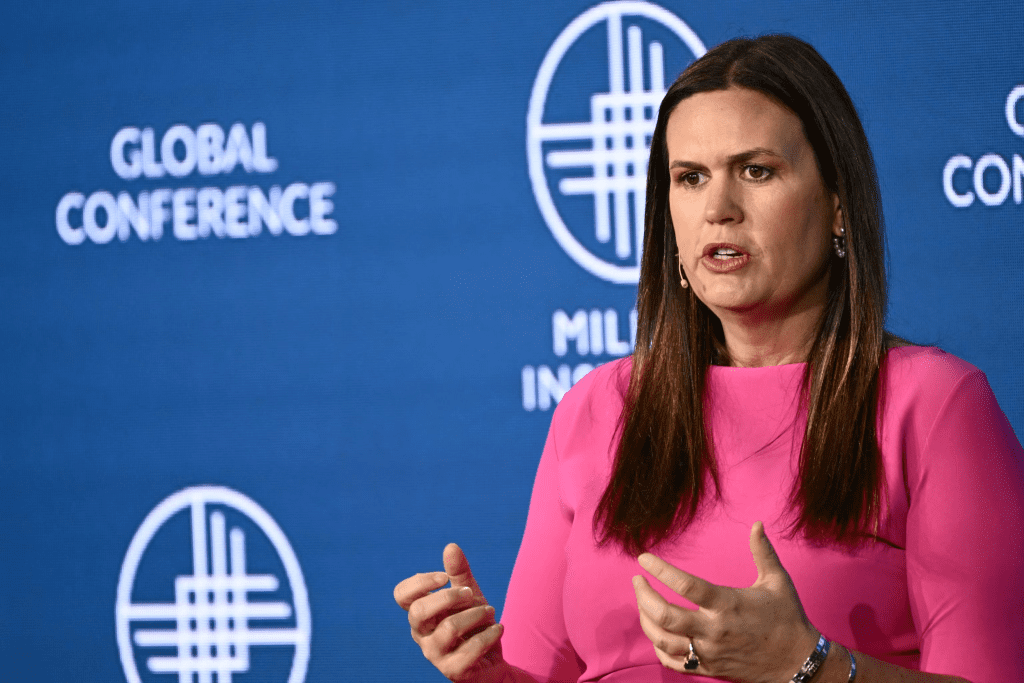
Arkansas Governor Sarah Huckabee Sanders has introduced legislation aiming to prohibit undocumented immigrants from accessing state-funded public benefits, sparking a nationwide debate on immigration and welfare reform. The bill, part of her broader agenda to combat illegal immigration, would bar “illegal aliens” from programs like Medicaid, food assistance, and housing aid, enforcing federal restrictions at the state level. Sanders argues that taxpayers should not subsidize those who entered the country unlawfully, framing it as fiscal responsibility and a deterrent to unauthorized migration. “Hardworking Americans deserve priority,” she stated during the announcement.
Proponents hail the measure as long-overdue enforcement of existing laws, which already limit federal benefits for undocumented individuals but allow some state variations. They contend it prevents abuse, citing reports of fraud in immigrant-heavy communities, and aligns with President Trump’s deportation priorities. Supporters believe it will save millions in public funds, redirecting resources to citizens and legal residents amid economic pressures.
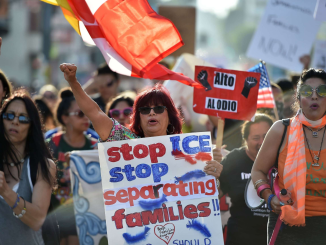
Opponents, including immigrant rights groups and Democrats, decry the bill as inhumane and counterproductive. They argue it could harm vulnerable families, including U.S.-born children of undocumented parents, exacerbating poverty and health crises. Critics point out that undocumented immigrants contribute billions in taxes without full access to benefits, and such bans might drive people underground, hindering integration and economic contributions. Legal challenges are expected, as courts have struck down similar state measures for overstepping federal authority.
Public opinion remains divided: Polls show strong Republican backing for stricter controls, while liberals prioritize humanitarian concerns. As the bill advances through the Arkansas legislature, it tests the boundaries of state power in immigration policy. If passed, it could inspire similar efforts nationwide, reshaping the welfare landscape in an era of heightened border enforcement.