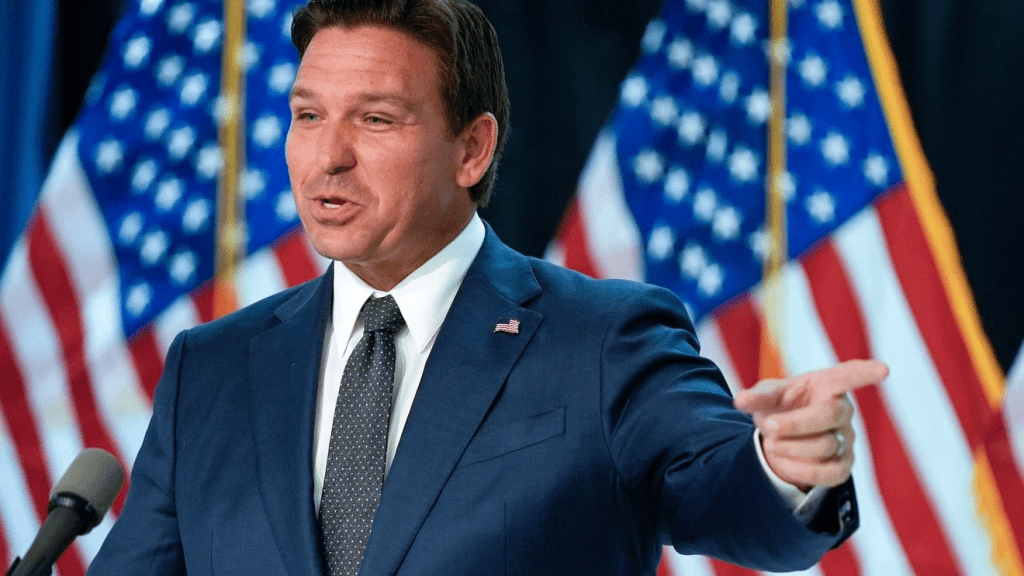
Tallahassee – Florida Gov. Ron DeSantis ignited a firestorm Monday, December 8, 2025, by signing an executive order designating the Council on American-Islamic Relations (CAIR) and the Muslim Brotherhood as “foreign terrorist organizations,” directing state agencies to sever ties and block resources to supporters. The move, effective immediately, mirrors Texas Gov. Greg Abbott’s similar proclamation last month, escalating a Republican-led push against groups accused of ties to Hamas and anti-Israel activism.
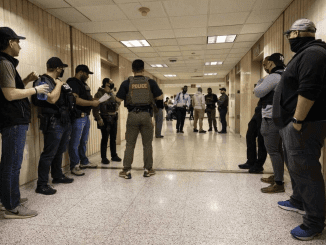
DeSantis, flanked by law enforcement leaders at a Capitol briefing, framed the order as a shield for Floridians. “These organizations funnel money to terrorists and seek to undermine our values,” he declared, citing CAIR’s alleged founding by Muslim Brotherhood affiliates and the Brotherhood’s links to Hamas, responsible for the October 7, 2023, attack on Israel that killed 1,200. The directive mandates the Florida Department of Law Enforcement and Highway Patrol to monitor activities, deny contracts or funds to backers, and pursue “all lawful measures” against material support. DeSantis hinted at forthcoming legislation to codify bans on “Sharia law creep,” urging lawmakers to enshrine the protections.
CAIR, the nation’s largest Muslim civil rights group, fired back swiftly, vowing a lawsuit during a Tampa press conference. “This is defamatory and unconstitutional—Governor DeSantis prioritizes Israel over Florida’s people,” interim director Hiba Rahim charged, accusing the order of silencing Palestinian advocacy. The group, which condemns terrorism including by Hamas, plans to challenge it on free speech grounds, echoing its Texas suit alleging due process violations. Civil liberties advocates warn the designations—lacking federal backing—could chill Muslim communities, with 1.1 million Floridians facing heightened scrutiny.
As Trump’s administration eyes federal designations for Brotherhood chapters in Egypt, Lebanon, and Jordan, DeSantis’s gambit tests state power’s limits. Supporters hail it as vigilance against extremism; foes decry it as Islamophobic overreach. In a nation reeling from Middle East tensions, Florida’s line in the sand could redefine the war on terror—or ignite a courtroom clash over faith and freedom.