The forcible removal of Senator Alex Padilla from a Department of Homeland Security press conference in Los Angeles has unleashed a torrent of Democratic outrage, with leaders decrying it as an assault on democracy. Yet, critics highlight a stark contrast: the same Democrats have been largely silent on two recent assassination attempts against President Donald Trump. The discrepancy is fueling accusations of selective indignation, as the nation grapples with escalating political tensions and questions of fairness.
On June 12, 2025, Padilla, a California Democrat, interrupted Homeland Security Secretary Kristi Noem’s press conference on immigration raids, demanding answers about Trump’s policies. Video footage shows Padilla identifying himself as a senator before being shoved out, forced to the ground, and briefly handcuffed by federal agents. Democrats erupted, with Senate Minority Leader Chuck Schumer calling the incident “sickening” and Governor Gavin Newsom labeling it “dictatorial.” Los Angeles Mayor Karen Bass called it “abhorrent,” while Representative Adriano Espaillat demanded the agents’ arrest. The reaction framed Padilla’s treatment as a dangerous overreach by Trump’s administration.
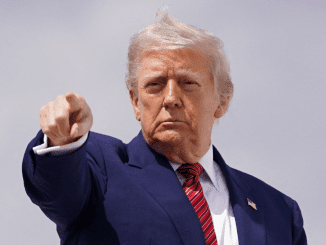
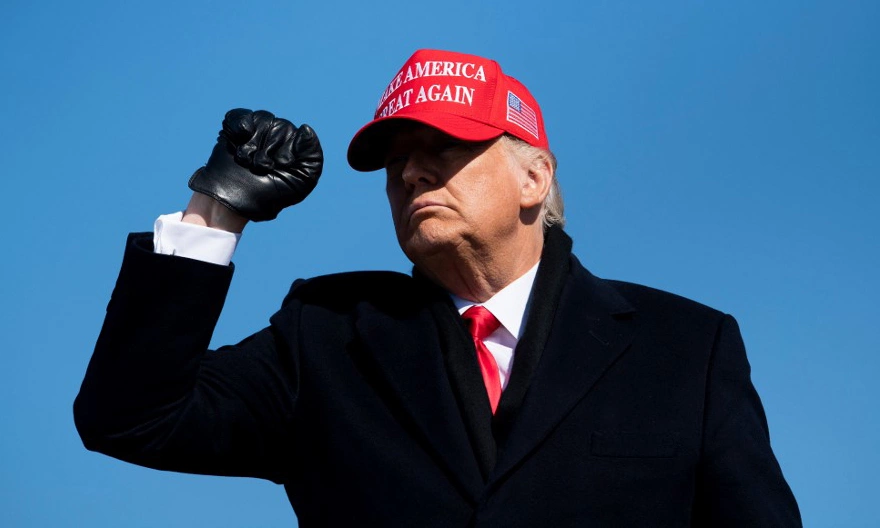
Meanwhile, Trump survived two assassination attempts in 2024. On July 13, at a Pennsylvania rally, 20-year-old Thomas Matthew Crooks shot Trump in the ear, killed one attendee, and injured two others before being killed by Secret Service. A second attempt, details of which remain limited, occurred later that year. Both incidents drew widespread condemnation, but Democratic leaders offered minimal comment beyond President Biden’s call to “lower the temperature.” No major Democratic figure issued statements matching the fury over Padilla’s removal, prompting critics to question their priorities.
The Padilla incident occurred amid riots over ICE raids targeting 3,000 daily arrests, which left Los Angeles with $5.2 million in damages and 47 injured officers. Republicans argue Padilla’s actions—interrupting Noem’s briefing without prior clearance—were a publicity stunt, not a legitimate oversight effort. House Speaker Mike Johnson called it “beneath a senator,” while the White House labeled it “immature political theater.” They point out that Padilla was released without charges and met Noem afterward, suggesting the incident was overblown.
Critics of the Democrats’ response argue it exposes a double standard. The assassination attempts, which killed a bystander and shook the nation, warranted little more than perfunctory remarks, yet Padilla’s brief detention sparked a firestorm. They note that 48% of Americans support Trump’s immigration crackdown, per polls, and see Democratic outrage as deflecting from the riots’ chaos, which included looted businesses and torched vehicles. The silence on Trump’s near-death experiences, they argue, reflects a refusal to acknowledge violence against political opponents.
Democrats counter that Padilla’s treatment is part of a broader pattern of authoritarianism, citing arrests of other officials like Representative LaMonica McIver for protesting immigration policies. They argue the assassination attempts, while horrific, were isolated acts by individuals, whereas Padilla’s incident reflects systemic abuse by federal agents. Still, the contrast in tone—muted on Trump’s survival, explosive on Padilla’s removal—has fueled perceptions of partisan bias.
As Los Angeles recovers from riots and Trump pushes forward with deportations, the Padilla incident and the silence on assassination attempts highlight a fractured political landscape. Democrats’ fury may rally their base, but it risks alienating those who see their selective outrage as hypocrisy. With tensions rising, the nation faces a critical question: can leaders condemn violence and overreach consistently, or will partisanship continue to dictate their moral compass?