On July 4, 2025, a chilling act of violence unfolded at the Prairieland Detention Center in Alvarado, Texas, where ten individuals were charged with attempted murder after orchestrating a planned ambush on U.S. Immigration and Customs Enforcement (ICE) agents. This brazen attack, which left an Alvarado police officer shot in the neck, underscores the escalating dangers faced by law enforcement and demands a resolute defense of those tasked with upholding immigration laws. As a journalist, I aim to highlight why protecting ICE agents is critical in this volatile climate, while acknowledging the complexities of the immigration debate.
The assailants, dressed in black military-style clothing and armed with AR-style rifles, used fireworks and vandalism to lure unarmed ICE corrections officers outside, where they opened fire. The attack, described by Acting U.S. Attorney Nancy Larson as a deliberate attempt to kill, involved 20 to 30 rounds fired at federal agents and a local officer, who fortunately survived. Evidence recovered—body armor, two-way radios, and anti-ICE graffiti like “ICE pig” and “traitor”—reveals a premeditated assault fueled by ideological hostility. This was no protest; it was a calculated act of aggression against those enforcing federal law.
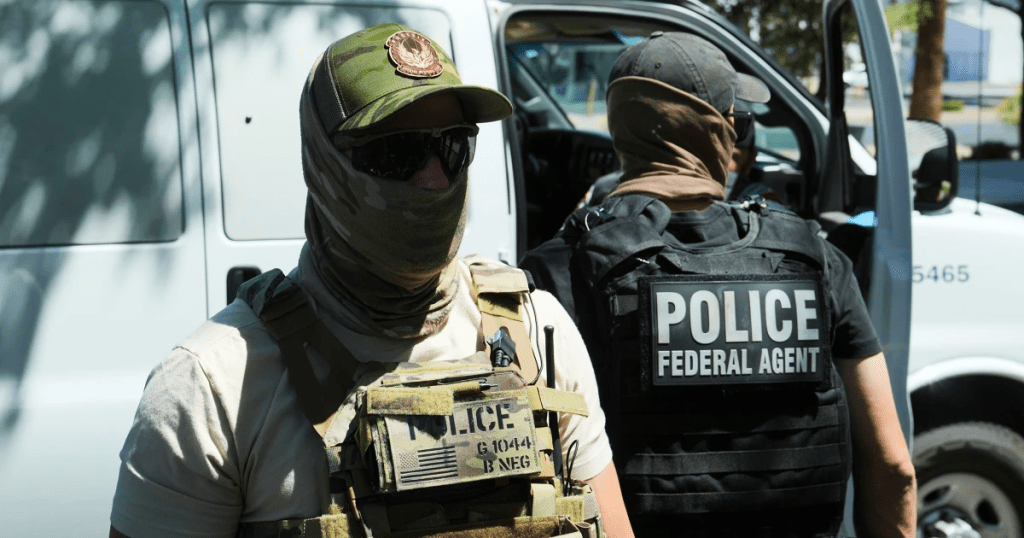
ICE agents operate in an increasingly hostile environment, with a reported 700 percent surge in assaults against them in 2025. Their mission—to detain and deport individuals in violation of immigration laws—is fraught with tension, especially as President Trump’s administration intensifies deportations. A recent spending bill, allocating $31 billion to ICE and $45 billion for detention centers, reflects the government’s commitment to border security. Yet, this mandate places agents in the crosshairs of groups who view them as symbols of oppression. The Alvarado ambush, alongside a separate attack in McAllen, signals a disturbing trend of targeted violence.
Defending ICE agents does not mean endorsing every aspect of immigration policy. Critics rightfully highlight issues like detainee conditions or aggressive enforcement tactics, which have sparked protests and fueled distrust. But resorting to violence—shooting at unarmed officers or ambushing law enforcement—crosses a line that undermines any legitimate critique. Agents like those at Prairieland are not policymakers; they are public servants executing lawful orders. Protecting them means ensuring they can work without fear of being gunned down in a “planned ambush.”
The broader immigration debate requires nuance, but the Alvarado attack demands a clear stance: violence against law enforcement cannot be tolerated. The ten suspects, charged with three counts each of attempted murder and firearm offenses, face up to life in prison. Their actions, rooted in anti-government sentiment, threaten not just ICE but the rule of law. As investigations continue, the nation must rally behind its agents, ensuring their safety while fostering dialogue to address immigration’s root causes. In a polarized era, defending those who serve means rejecting vigilantism and upholding order.