A fiery sentiment gaining traction on X has sparked a heated national debate: convicted felons should neither be allowed to pardon other felons nor serve as president. The May 29, 2025, posts, amplified by users like
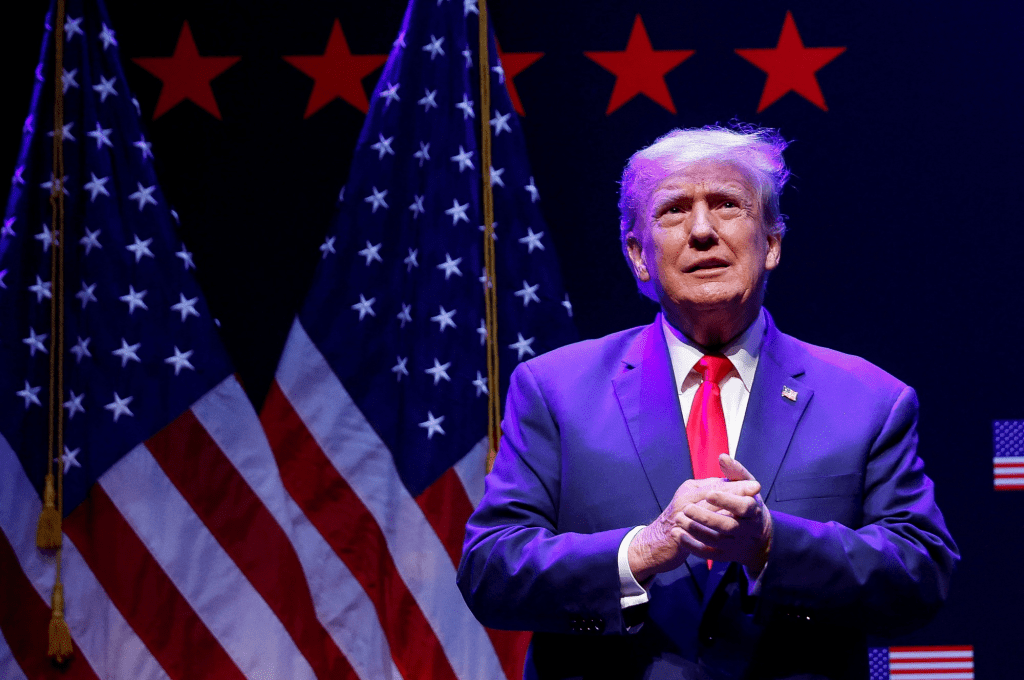
@JusticeNowUSA, target President Donald Trump, a convicted felon following his 2024 conviction on 34 counts of falsifying business records in the Stormy Daniels case. Critics argue that his ability to issue pardons—most notably for 1,600 January 6 defendants—and hold office undermines justice, while supporters defend his constitutional rights, highlighting a deep divide over legal and moral standards in leadership.
Trump’s conviction, stemming from hush-money payments, has fueled calls to restrict felons’ presidential powers. Critics on X, including
@EconWatchdog, contend that allowing a felon to pardon others, as Trump did with sweeping clemency for January 6 rioters, risks abuse of executive authority. “A felon pardoning felons mocks the rule of law,” one user posted. Legal scholars like Joyce Vance argue that while the Constitution grants broad pardon power, ethical concerns arise when a convicted president uses it to shield allies. The January 6 pardons, issued in February 2025, included figures like Stewart Rhodes, convicted of seditious conspiracy, prompting accusations of cronyism.
The broader claim—that felons should be barred from the presidency—faces constitutional hurdles. Article II, Section 1 sets eligibility requirements: a natural-born citizen, at least 35 years old, and a 14-year resident. Felony convictions are not disqualifying, as confirmed by a 2024 Supreme Court ruling upholding Trump’s ballot eligibility despite 14th Amendment challenges over January 6. Rep. Jamie Raskin (D-MD) has pushed for legislation to bar felons from office, citing public trust, but such a law would require a constitutional amendment, needing two-thirds of Congress and 38 states—an unlikely feat given Republican control.
Supporters argue the Constitution’s silence on felony bans reflects democratic intent. On X,
@TrumpWarRoom posted, “The people chose Trump, felon or not, with 50% approval.” His +20 Hispanic approval rating and a 52% “right track” Rasmussen poll bolster their case. Attorney General Pam Bondi dismissed calls for restrictions as “partisan attacks,” noting Trump’s transparency about his conviction during the 2024 campaign. A 2025 Pew poll showed 62% of Republicans see his conviction as politically motivated, supporting his right to govern.
Opponents counter that felon-presidents erode institutional integrity. The Daniels case, resulting in a $130,000 fine and no jail time, still marks Trump as a felon, and critics like Sen. Elizabeth Warren argue his pardons—covering allies like Steve Bannon—exploit a loophole. Proposals to limit pardon powers for felon-presidents face legal skepticism, as the Supreme Court’s 1925 Ex parte Grossman upheld broad executive clemency. Civil suits, like those seeking damages from January 6, could target Trump’s $10 billion fortune, but asset seizures remain speculative.
The debate, fueled by Trump’s polarizing leadership, underscores tensions between constitutional law and public sentiment. While his base sees a mandate, critics demand reform, but changing the Constitution or curbing pardons remains a distant prospect.