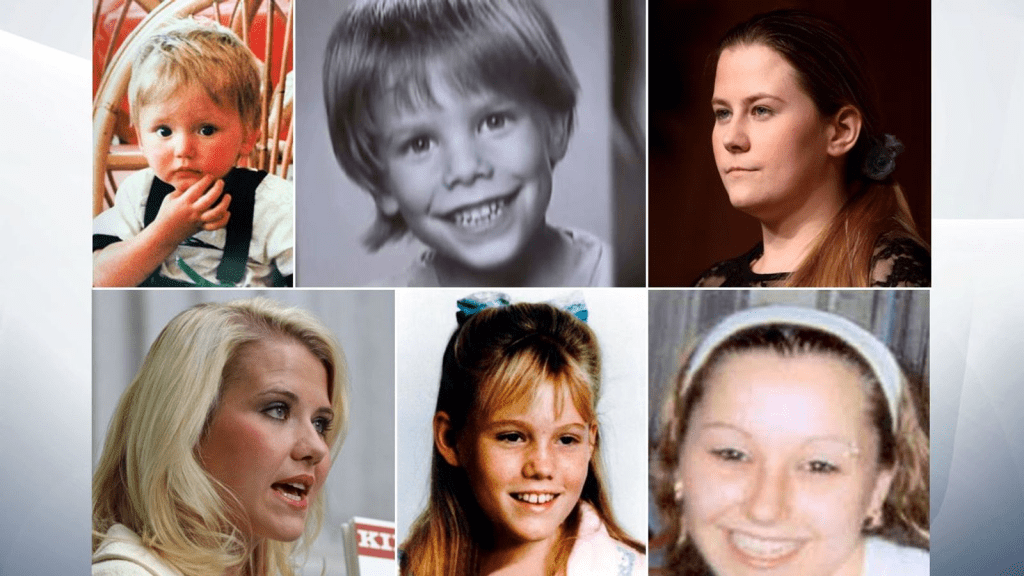
The disparity in public attention between missing children and celebrity gossip, like a rumored affair at a Coldplay concert, has sparked calls for a cultural shift in America’s priorities. In 2023, the FBI reported 460,000 missing children cases, with 1,750 added daily, yet these stories rarely dominate headlines. Meanwhile, tabloid fodder—like unverified Coldplay concert scandals—can amass millions of views in hours, highlighting a troubling focus on fleeting entertainment over urgent crises.
Advocates, including the National Center for Missing and Exploited Children, argue that if missing children cases went as viral as celebrity drama, public awareness could drive faster recoveries. In 2024, Amber Alerts aided in rescuing 152 children, but only 30% of cases received media coverage, per a DOJ report. High-profile cases, like that of 3-year-old Amari Galan in San Antonio, gained traction only after grassroots campaigns, recovering him after two weeks. Contrast this with the 24-hour news cycle frenzy over a celebrity’s personal life, which often overshadows such stories.
Social media’s power to amplify could transform outcomes. A 2025 Pew Research study found 68% of Americans get news from social platforms, yet missing children posts rarely break through algorithm-driven celebrity content. Advocates like Elizabeth Smart, a survivor of abduction, call for a “viral movement” to prioritize these cases, noting that public tips solve 20% of abductions. As America grapples with its media obsession, the question remains: can we redirect our collective focus to save lives, or will trivial scandals continue to eclipse the plight of missing children?