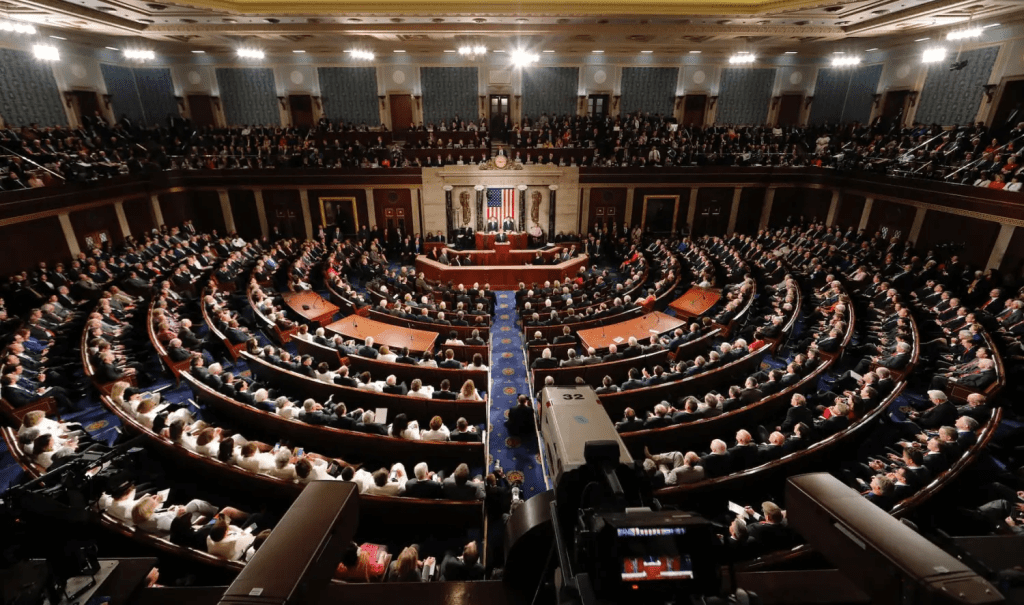
In the halls of Capitol Hill, members of Congress enjoy a job unlike any other: high pay, generous benefits, and a level of job security that most Americans can only dream of. Yet, a growing chorus of critics argues that many lawmakers would struggle to survive a week in the private sector. With a $174,000 annual salary, lifetime medical benefits, and a schedule that includes lengthy recesses, Congress operates in a bubble that insulates it from the realities of the workforce. The question is stark: if lawmakers had to compete in “real” jobs, would they last?
The disconnect is glaring. While the median U.S. household income hovers around $74,000, members of Congress earn more than double that, with additional perks like subsidized healthcare and pensions that vest after just five years. Unlike most workers, they face no performance reviews, no mandatory deliverables, and little accountability for results. Bills stall, budgets languish, and gridlock persists, yet lawmakers keep their seats unless voters intervene every two or six years. In the private sector, such stagnation would lead to swift termination. As one former congressional staffer put it, “Most of these people would be fired for incompetence in any other job.”
The evidence supports this view. Congress’s productivity is dismal—only 27 bills were signed into law in 2023, the lowest in decades. Meanwhile, lawmakers spend significant time fundraising, attending events, or campaigning, activities that bear little resemblance to the 9-to-5 grind of most Americans. The average congressional workweek includes just 29 hours of legislative activity, with sessions often starting late on Tuesdays and ending by Thursday afternoon. Compare that to the 40-hour (or more) workweeks of teachers, nurses, or factory workers, and the disparity is stark. In a competitive job market, where results drive employment, many lawmakers’ résumés would raise eyebrows.
Critics point to specific examples of congressional ineptitude. Some members struggle with basic technology, as seen in Zoom hearings where lawmakers fumbled with mute buttons or appeared upside-down. Others display a shaky grasp of policy details, relying heavily on staff to craft legislation or prepare for debates. In a corporate setting, such dependence on subordinates would signal a lack of leadership. The private sector demands adaptability, measurable outcomes, and accountability—qualities that seem in short supply on Capitol Hill. A software engineer missing deadlines or a manager failing to deliver would face consequences; Congress, by contrast, operates with impunity.
Defenders of lawmakers argue that public service is uniquely demanding. The job requires navigating complex issues, balancing constituent demands, and enduring public scrutiny. But this argument falters when you consider the rewards. Beyond their salaries, lawmakers often parlay their positions into lucrative post-office careers as lobbyists or consultants, with 60% of former members transitioning to such roles. In contrast, the average American faces job insecurity, rising healthcare costs, and no guaranteed safety net. If Congress had to compete in this reality—say, as teachers facing classroom chaos or small-business owners navigating inflation—many would flounder.
The broader issue is structural. Congress’s job security is baked into the system. Incumbents win over 90% of House races, thanks to name recognition, gerrymandering, and fundraising advantages. This lack of competition breeds complacency, allowing lawmakers to coast without the urgency of proving their worth. In the private sector, employees must innovate or risk obsolescence; in Congress, merely showing up can suffice. Term limits, a popular reform proposal, could shake up this inertia, forcing lawmakers to face the real world sooner. Yet, entrenched interests resist such changes, preserving the status quo.The American public deserves better. Lawmakers should be held to the same standards as the workers they represent. If Congress can’t deliver results—passing budgets on time, addressing healthcare costs, or tackling infrastructure—why should they enjoy perks and job security that most Americans lack? A cultural shift is needed, one that demands accountability and aligns congressional incentives with those of the public. Until then, the notion that many lawmakers would be unemployed in a week if held to private-sector standards rings painfully true. It’s time for Congress to stop coasting and start working—or face the consequences.