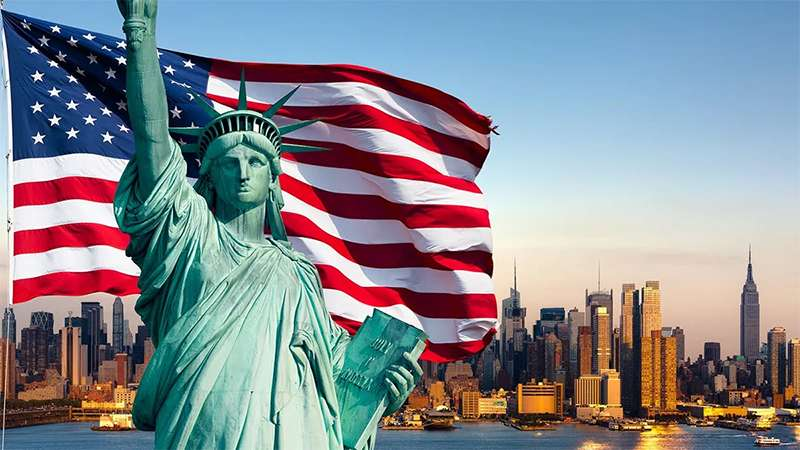
On July 1, 2025, Congressman Wesley Hunt (R-TX) introduced a resolution to designate July as “American Pride Month,” a move that has ignited enthusiasm among those eager to celebrate the nation’s history and values. Timed to coincide with Independence Day, the resolution aims to foster patriotism by honoring America’s achievements, sacrifices, and enduring spirit. As the nation marks its 249th year, the proposal has struck a chord with supporters who see it as a bold reclaiming of national identity, while critics argue it risks overshadowing other commemorative months and deepening cultural divides.
The resolution, introduced in the House of Representatives, calls for a month-long celebration of America’s founding principles, heroic figures, and contributions to global freedom. Congressman Hunt, a vocal advocate for patriotism, plans to launch the initiative with a video featuring President Donald Trump and everyday Americans who embody the nation’s spirit. Throughout July, daily posts will highlight significant moments in U.S. history, from the Revolutionary War to modern triumphs like the economic rebound of 2025, with unemployment at 3.2%. Hunt’s resolution emphasizes teaching future generations about the sacrifices of patriots who secured America’s independence, framing it as a counter to what he calls “cultural tribalism” and divisive agendas.
Supporters view the proposal as a timely antidote to waning national pride. They argue that America, with its $25 trillion GDP and unmatched military might, deserves a dedicated month to celebrate its role as the world’s leading power. The resolution aligns with broader efforts to promote unity, such as President Trump’s push for policies like mass deportations and tax relief, which resonate with voters who backed him in 2024. For many, “American Pride Month” is a chance to honor veterans, first responders, and citizens who uphold values like liberty and self-reliance, especially in a polarized climate where 62% of Americans, per a 2025 Pew poll, say political discourse is too toxic.
Critics, however, question the resolution’s intent and timing. Some see it as a reaction to June’s designation as LGBTQ Pride Month, a tradition recognized by presidential proclamations since 1999 and reaffirmed by a 2025 Senate resolution. They argue that declaring July “American Pride Month” risks diminishing other communities’ celebrations, like Disability Pride Month, also observed in July since 2015 to mark the Americans with Disabilities Act. Progressive voices, including those echoing Representative Ilhan Omar’s critique of America’s moral standing, contend that the resolution could fuel exclusionary nationalism, especially amid policies like the proposed Census redo excluding non-citizens. The debate mirrors tensions over a similar resolution by Congressman Roger Williams (R-TX) for “American Patriotism Month,” which faced accusations of politicizing national identity.
The resolution’s feasibility remains uncertain. While it has garnered support from conservative lawmakers, passing it in a divided Congress—where Republicans hold a slim 53-47 Senate majority—will be challenging. Democrats, wary of measures perceived as undermining diversity, may push back, especially with open Senate seats in battleground states like Michigan and New Hampshire at stake in 2026. Even if passed, a presidential proclamation from Trump, as Hunt urges, would carry symbolic weight but no legal force. Still, the proposal taps into a sentiment that America’s 249th birthday merits celebration, with 68% of Americans in a 2025 Gallup poll expressing pride in the nation’s achievements.
The initiative arrives at a pivotal moment. Trump’s policies—tariff hikes, the end of USAID, and immigration crackdowns—have bolstered his base but alienated others, with his approval rating at 44%. Meanwhile, economic gains, like a 5% surge in manufacturing jobs, fuel arguments that America remains the world’s freest and most powerful nation. Yet protests over welfare cuts and immigration raids signal discontent, with groups like the People’s Unity Project advocating for a broader definition of freedom. “American Pride Month” could either unite the nation around shared values or deepen divides over what those values mean.As July unfolds, the resolution has already sparked rallies and debates, with supporters waving flags and critics urging inclusivity. Whether it gains traction or falters, Congressman Hunt’s proposal has reignited a conversation about patriotism in a nation grappling with its identity. As America approaches its 250th anniversary, the question looms: can a month dedicated to pride in the nation bridge its fractures, or will it further highlight the fault lines that define it?