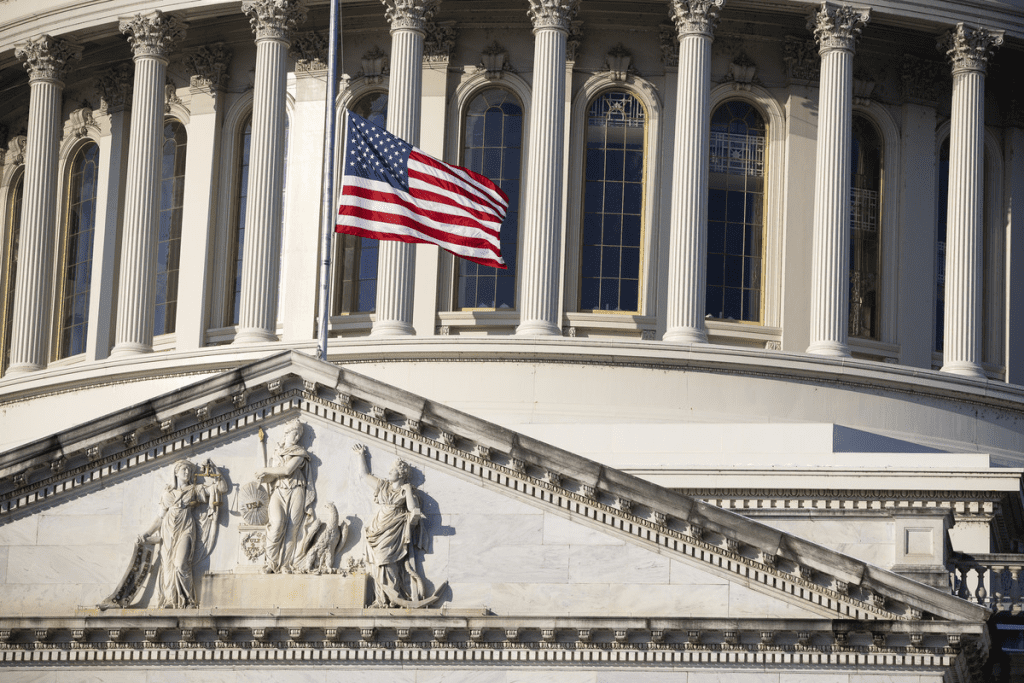
In a bold move, Congress is advancing legislation to prohibit the display of all foreign flags at the U.S. Capitol, ensuring that only the American flag flies over the nation’s seat of government. The proposed bill, introduced with bipartisan support, reflects a growing sentiment that the Capitol should exclusively honor the Stars and Stripes as a symbol of national unity and sovereignty. This follows recent controversies where foreign flags, including Ukraine’s, were waved on the House floor, sparking outrage among lawmakers who view such acts as undermining American priorities.
The legislation, spearheaded by Representative Kat Cammack and supported by figures like Representative Derrick Van Orden, seeks to codify that the Capitol is a space for American allegiance alone. Exceptions are limited to foreign flag lapel pins or exhibits used during speeches, ensuring minimal deviation. Proponents argue that the American flag represents the nation’s shared values—liberty, democracy, and justice—and allowing foreign flags dilutes this message. They point to the Capitol’s symbolic role as the heart of U.S. governance, where only the nation’s banner should hold prominence.
Critics, including some civil rights advocates, argue the ban could stifle free expression, noting that flags like the Pride or Black Lives Matter flags have been displayed to signal inclusivity. They warn the policy might alienate allies and suppress symbolic gestures of solidarity. Supporters counter that the Capitol must prioritize national identity over international or social causes.
If passed, the bill could set a precedent for federal buildings nationwide, aligning with recent Trump administration policies restricting flags at State Department facilities. As debate intensifies, the legislation underscores a broader cultural clash over symbols and national pride. The Capitol’s flagpoles may soon bear only one banner.