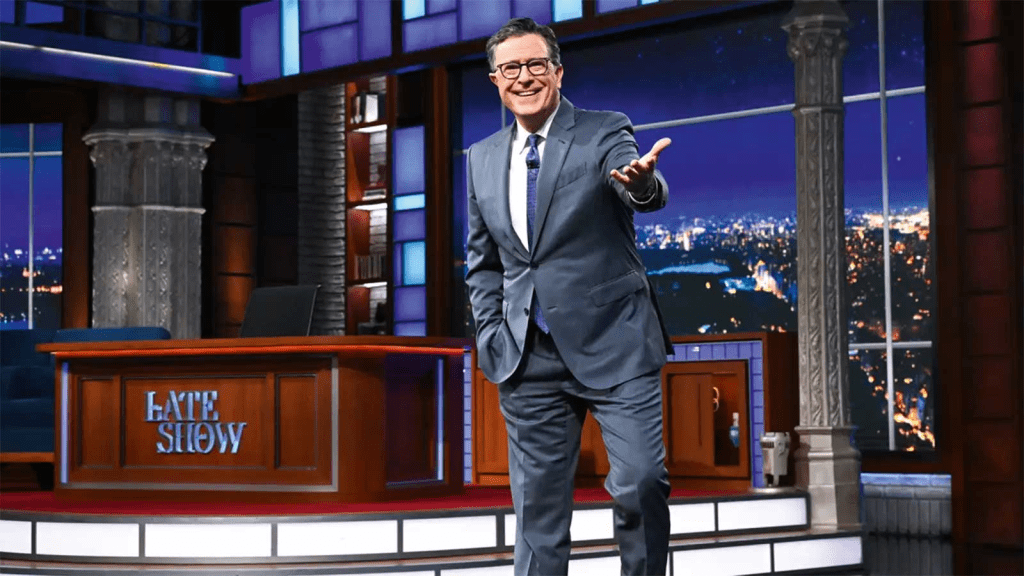
On July 17, 2025, CBS announced the cancellation of The Late Show with Stephen Colbert, set to end in May 2026, marking the close of a 33-year franchise. The decision, described by CBS as a “purely financial” move due to a $40 million annual loss, has fueled speculation of political motives, given Colbert’s sharp criticism of President Donald Trump. The host’s July 14 monologue, calling Paramount’s $16 million settlement with Trump over a 60 Minutes interview a “big fat bribe,” preceded the announcement by three days. Protests erupted outside the Ed Sullivan Theater, with fans chanting “Colbert Stays!” while Trump celebrated, posting, “I absolutely love that Colbert was fired.”
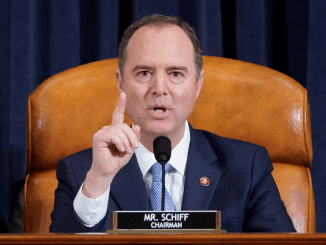
Supporters of the cancellation, including some conservative voices, argue it signals a return to “decency” in media, claiming Colbert’s satire pushed divisive rhetoric. They point to declining late-night viewership—down 30% in five years, with The Late Show averaging 2.47 million viewers—as evidence of shifting public tastes. Critics, including Senators Elizabeth Warren and Adam Schiff, question the timing, suggesting the move appeases Trump’s administration amid Paramount’s $8 billion Skydance merger, which requires FCC approval. Fellow hosts like Jon Stewart and Jimmy Kimmel rallied behind Colbert, with Stewart slamming CBS for “censoring” free speech.
The cancellation reflects broader tensions in a polarized media landscape, raising questions about whether corporate interests or cultural shifts are driving change. As late-night TV faces economic pressures, Colbert’s exit may reshape political satire’s role in America.