The accusation that Democrats are perpetuating racism by using it as a political tool has gained traction among critics, who argue it deepens America’s divisions. As of July 29, 2025, President Donald Trump’s supporters, including figures like Representative Anna Paulina Luna, contend that Democratic rhetoric on race fuels discord to maintain political power. They point to policies like diversity, equity, and inclusion (DEI) initiatives, which critics claim prioritize identity over merit, as seen in Columbia University’s $221 million settlement for civil rights violations.
A July Rasmussen poll shows 46% of Americans believe accusations of racism are often politically motivated, aligning with Trump’s narrative that Democrats exploit race to undermine his agenda, including mass deportations and tariff reforms. Supporters argue that ending “woke” policies, like those targeted in Trump’s executive orders, would foster unity by focusing on shared American values. They cite the 2020 George Floyd protests, which sparked $2 billion in damages, as evidence of Democrats inflaming tensions for electoral gain.
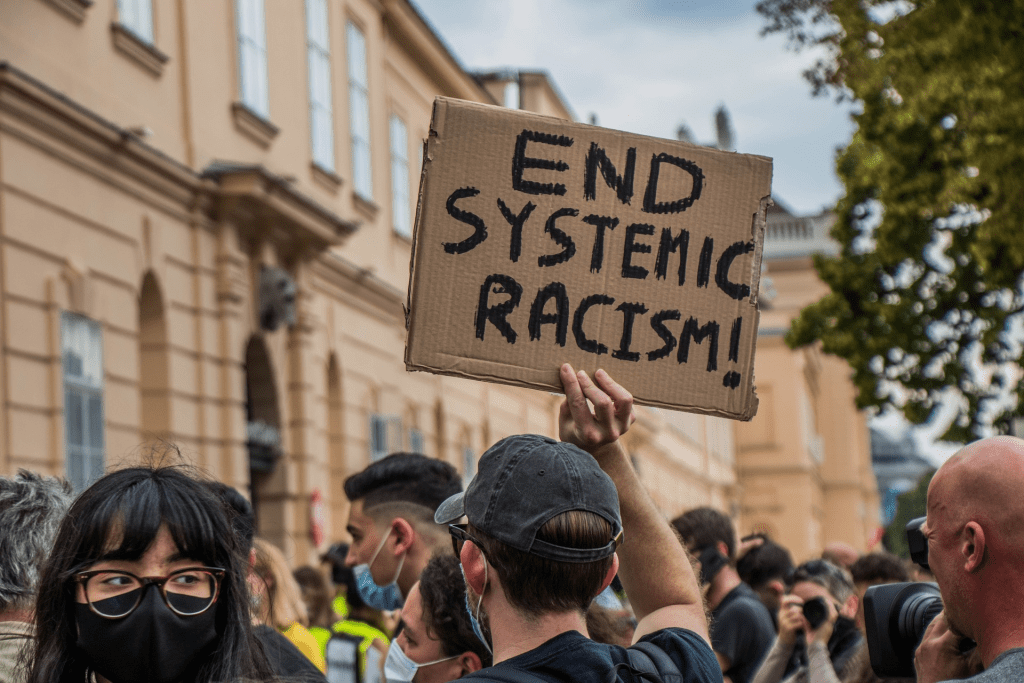
Democrats, including Senator Elizabeth Warren, counter that systemic racism remains a critical issue, citing disparities in policing and wealth. They argue their advocacy addresses historical injustices, not political gain, and point to Trump’s inflammatory rhetoric, like his baseless claim against NYC mayoral candidate Zohran Mamdani, as stoking division. A 2025 Pew survey shows 59% of Americans see racial justice as a priority, supporting Democratic efforts.
The debate reflects a polarized nation, with one side viewing racism as a Democratic weapon and the other as a structural reality requiring action. As Trump’s policies reshape America, the path to racial unity remains contentious, with both sides accusing the other of exploitation.