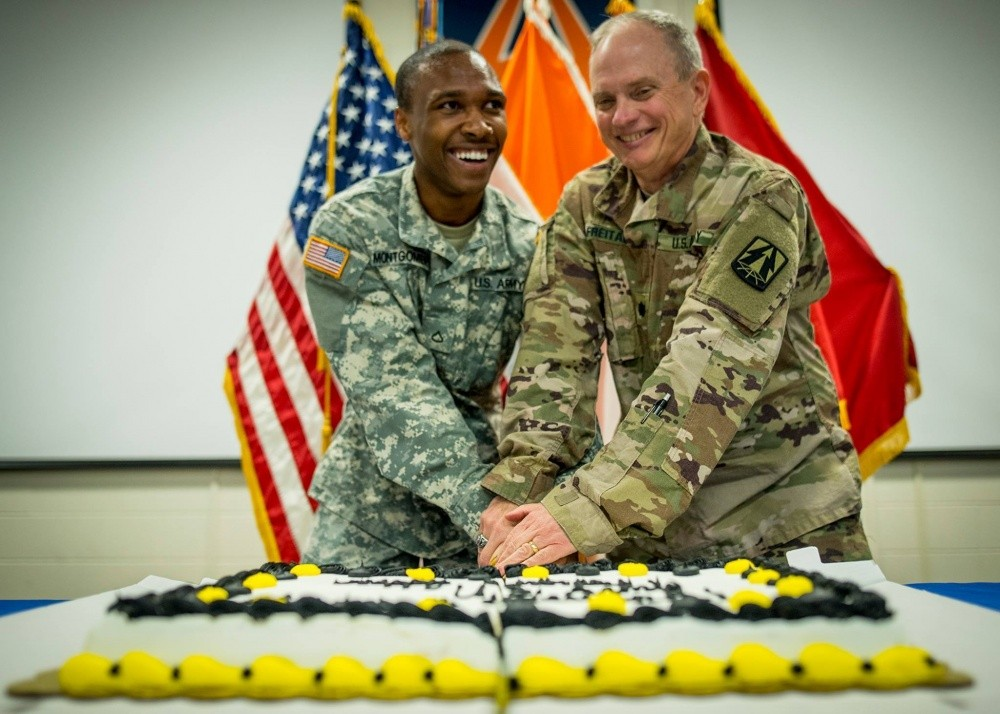
Washington, D.C., June 16, 2025—Across the United States, displays of gratitude for the nation’s military—parades, flyovers, and tributes at sporting events—have long been a hallmark of American patriotism. Yet, as the country prepares for upcoming Independence Day celebrations, a growing debate over these public honors reveals deep cultural divides. For many, celebrating the troops is a non-negotiable expression of national pride; for others, it raises questions about militarism and priorities, fueling tensions over what it means to support America’s armed forces.
The tradition of honoring the military is deeply rooted in U.S. history, from ticker-tape parades for World War II veterans to modern “Salute to Service” NFL campaigns. Supporters argue these gestures recognize the sacrifices of service members, who risk their lives to protect freedoms. President Donald Trump, a vocal advocate, has amplified such displays, reviving large-scale military showcases like the 2019 “Salute to America” event, featuring tanks and fighter jets. “Our troops are heroes,” Trump declared at a recent rally in Ohio, urging Americans to rally behind them. Polls show strong support, with 78% of Americans favoring public tributes to the military, according to a 2025 Gallup survey.
Critics, however, question the tone and scale of these celebrations. Some argue they glorify war or distract from issues like veteran homelessness and inadequate VA healthcare. At a recent panel at Georgetown University, Professor Sarah Klein, a cultural historian, noted that lavish military displays can “normalize excessive defense spending” while overshadowing diplomacy. Progressive activists have called for redirecting funds from flyovers to social programs, sparking backlash from conservatives who view such critiques as unpatriotic. In 2024, protests during a Veterans Day parade in Seattle, where demonstrators chanted “No more wars,” drew condemnation from local officials.
The debate has intensified amid recent domestic military deployments, such as the use of Marines in Los Angeles to secure federal assets during protests. For supporters, these actions underscore the military’s role in safeguarding national stability, warranting public gratitude. “If you can’t cheer for the men and women protecting our cities, you’re part of the problem,” said House Speaker Mike Johnson (R-LA) in a recent speech. Yet, opponents argue that deploying troops domestically blurs the line between civilian and military spheres, making uncritical celebrations of the armed forces more complex. A 2025 Pew Research poll found 41% of Americans are uneasy about military involvement in domestic unrest.
Cultural flashpoints have further polarized the issue. At a 2024 NFL game, fans booed a small group of spectators who remained seated during a pre-game military tribute, prompting heated online debates. Meanwhile, some universities have scaled back ROTC ceremonies, citing inclusivity concerns, only to face accusations of disrespecting service members. These incidents highlight a broader tension: while most Americans support the troops, disagreements over how to express that support—or whether it should be unconditional—reflect deeper divides over national identity.
As Independence Day approaches, cities like San Diego and Norfolk are planning major military-themed events, including naval ship tours and Blue Angels airshows. Organizers emphasize unity, inviting communities to honor service members regardless of political views. Yet, with protests planned in some areas, the celebrations may test the nation’s ability to bridge its divides. Veterans themselves offer varied perspectives. Retired Marine Colonel James Harper, speaking at a VFW event, urged Americans to “focus on the human cost of service, not just the spectacle.”
The debate over celebrating the military underscores a fundamental question: how should a nation honor those who serve while grappling with the complexities of their role? For many, public tributes are a vital expression of gratitude; for others, they prompt reflection on the broader implications of military power. As America navigates this divide, the call to support its troops remains a powerful, if contested, rallying cry.