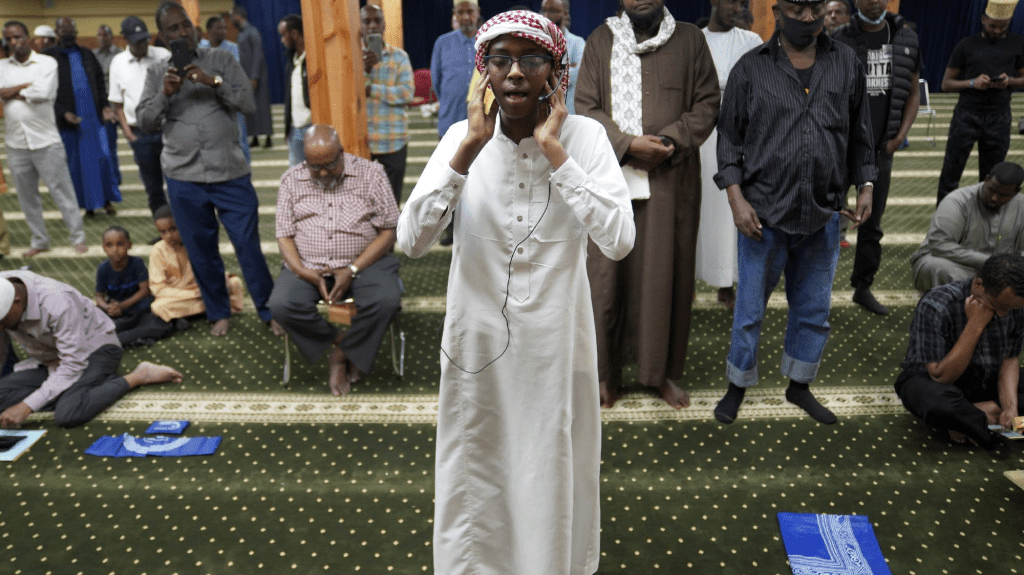
Dearborn, Michigan – In the shadow of America’s largest Muslim community, a heated controversy over the Muslim call to prayer—known as the adhan—has reignited calls for a nationwide ban on its broadcast via loudspeakers. Residents in Dearborn, a Detroit suburb where mosques dot the landscape, have flooded city hall with complaints since October 2025, arguing the five daily calls violate noise ordinances and disrupt daily life. “It’s not about religion; it’s about peace and quiet,” one homeowner told a council meeting, echoing sentiments that the amplified chants, reaching 60-70 decibels, infringe on neighborhood tranquility.
The pushback mirrors broader tensions across the U.S., where cultural preservation clashes with religious freedom. In Minneapolis, the first major city to allow unrestricted adhan broadcasts in 2023, some locals decry it as an imposition on non-Muslims, fueling petitions with thousands of signatures demanding a loudspeaker prohibition. Hamtramck, Michigan—America’s only Muslim-majority city—saw similar uproar in 2024 when volume levels from the Ideal Islamic Center prompted senior residents to protest. Advocates for bans argue it’s common sense: “We need to protect our culture and peace,” as one online commenter put it, framing the issue as safeguarding American norms from foreign influences.
Muslim leaders counter that the adhan is a protected expression under the First Amendment, akin to church bells or holiday music. CAIR’s Michigan director, Dawud Walid, called ban proposals “Islamophobic,” noting noise complaints are selectively enforced. Cities like New York and Paterson, New Jersey, have navigated the issue with time and volume restrictions, but no federal ban exists—leaving it to local ordinances.
As President Trump’s administration eyes cultural policies, the debate intensifies: Is this religious liberty or community nuisance? With petitions circulating and lawsuits looming, the call to prayer’s future hangs in the air, testing America’s pluralistic promise.