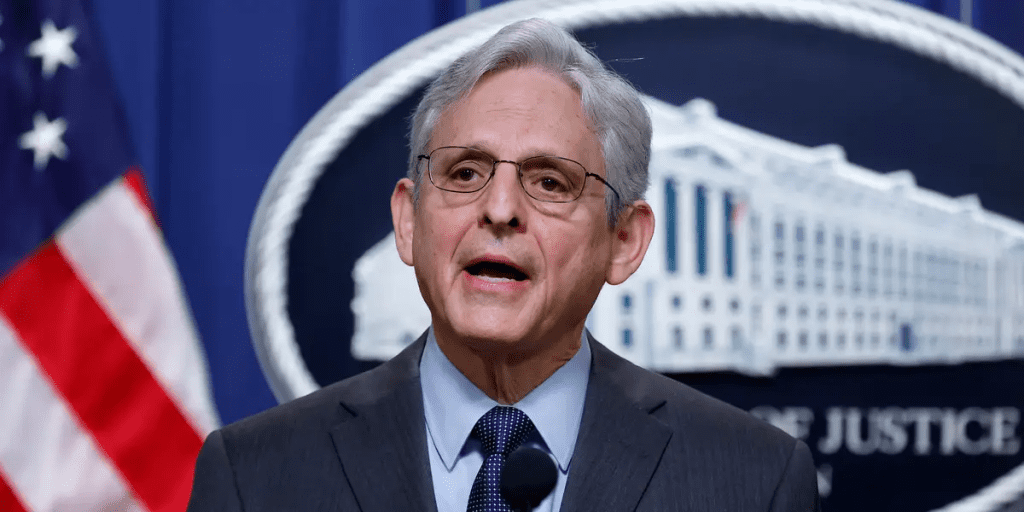
Attorney General Merrick Garland faces growing scrutiny over claims that the Department of Justice (DOJ) was weaponized against former President Donald Trump. Critics, including Republican lawmakers, allege Garland oversaw politically motivated prosecutions, pointing to Special Counsel Jack Smith’s indictments of Trump for mishandling classified documents and efforts to overturn the 2020 election. They argue these cases, dismissed after Trump’s 2024 election win due to DOJ policy against prosecuting sitting presidents, were timed to undermine his campaign. House Speaker Kevin McCarthy previously floated an impeachment inquiry into Garland, citing “political bias” in DOJ actions.
Garland has vehemently denied these accusations, emphasizing the DOJ’s independence and commitment to impartiality. In a 2024 speech, he condemned “conspiracy theories” and “dangerous falsehoods” targeting DOJ personnel, insisting the department operates without political interference. Supporters highlight Garland’s appointment of Smith to ensure unbiased investigations and note the DOJ’s prosecution of Democrats, like Senator Bob Menendez, as evidence of fairness.
Skeptics counter that Garland’s delay in appointing Smith until November 2022 allowed Trump to evade accountability, potentially influencing the 2024 election outcome. The debate intensified after Trump’s threats to overhaul the DOJ and prosecute political foes, raising questions about the department’s role in a polarized climate. While some demand an investigation into Garland’s tenure, others argue it’s a distraction from broader issues like judicial impartiality.
The controversy underscores deep divisions over the DOJ’s role, with no clear resolution as Trump prepares to return to office.