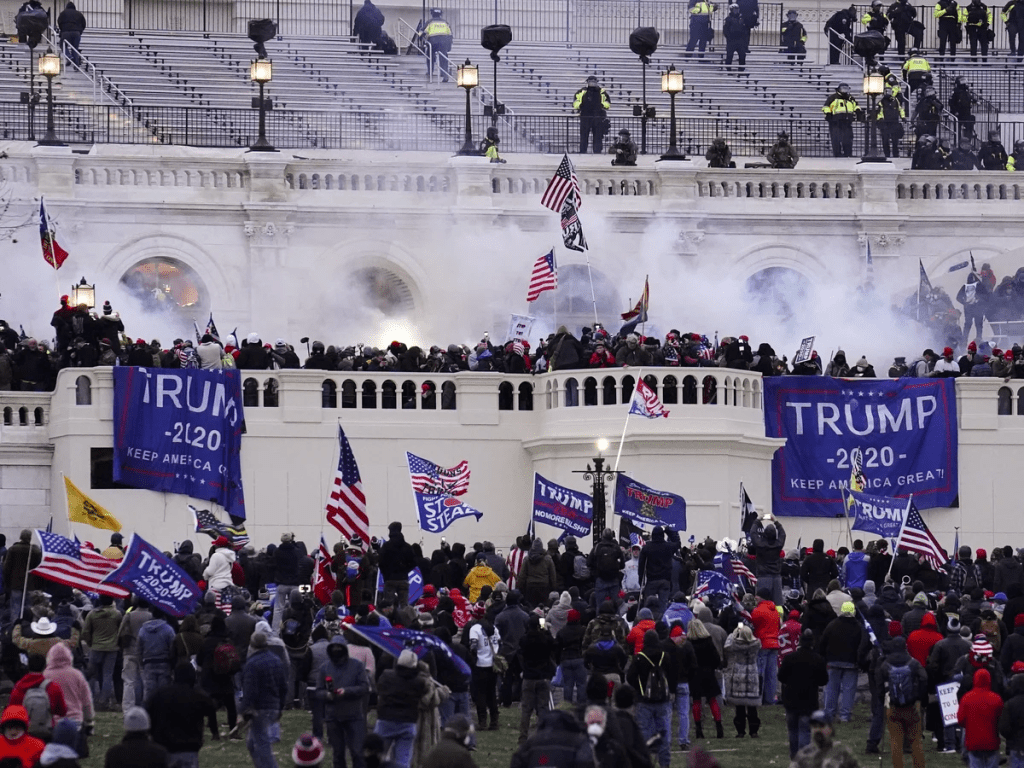
A growing chorus of voices is demanding that Americans who accept payment to participate in riots against the government be prosecuted for treason, framing such actions as a direct betrayal of the nation. This sentiment has surged amid recent unrest in cities like Minneapolis, where protests over a fatal ICE shooting have turned chaotic, with reports of vehicle rammings and assaults on federal agents. Proponents argue that orchestrated, funded disruptions—allegedly backed by shadowy donors—amount to “levying war” against the United States, warranting the harshest penalties under the Constitution.
Article III, Section 3 of the U.S. Constitution defines treason narrowly: levying war against the country or giving aid and comfort to its enemies. Federal law under 18 U.S.C. § 2381 imposes at least five years in prison, fines, and potential death sentences. Historically, treason convictions are rare—fewer than 40 in U.S. history—with cases like those from Shays’ Rebellion or the Civil War requiring overt acts witnessed by two people. Legal experts note that while riots can lead to charges of sedition, insurrection, or conspiracy (18 U.S.C. §§ 2383-2384), proving treason demands evidence of intent to overthrow or aid enemies, not mere protest.
Critics of the idea warn it risks chilling free speech and assembly, protected by the First Amendment. They point out that accusations of “paid rioters” often stem from unproven conspiracy theories, lacking concrete evidence in ongoing investigations. In Minneapolis, where demonstrations have drawn thousands, officials like Mayor Jacob Frey have decried federal overreach, while the administration vows swift justice for attacks on agents.
As vehicle assaults on ICE personnel rise dramatically—71 cases in 2025 alone—the debate rages: Are funded riots treasonous warfare, or protected dissent? With midterms approaching, this could reshape how unrest is prosecuted, balancing security against civil liberties in a divided America.