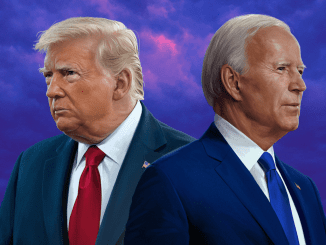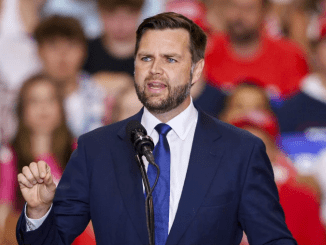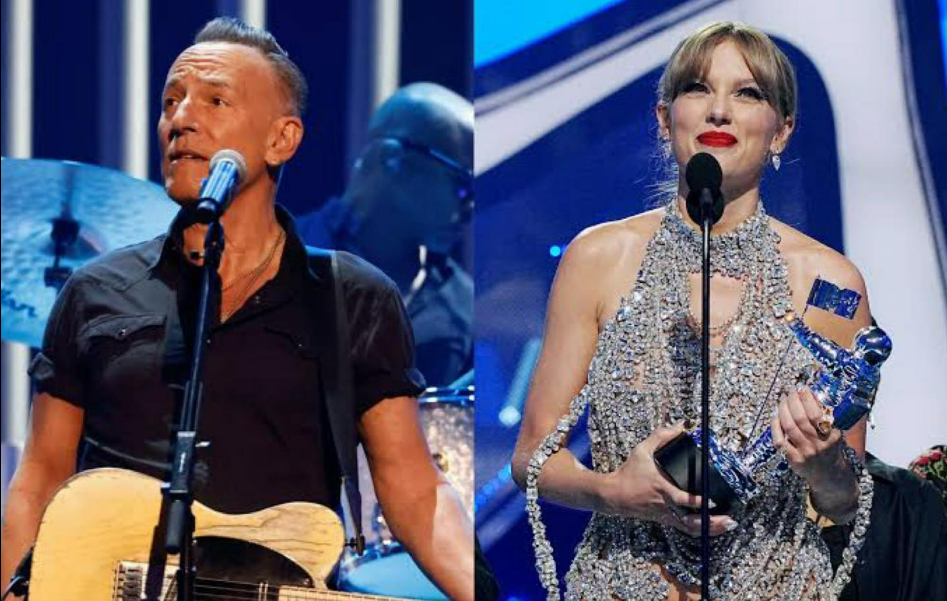
Washington, D.C. – At 12:02 AM +07 on Monday, May 19, 2025, a viral idea circulating on X is gaining traction: Taylor Swift and Bruce Springsteen should hold a free concert in Washington, D.C., on June 14, coinciding with President Donald Trump’s planned military parade to celebrate his birthday. The proposal, fueled by fans and critics of Trump alike, comes amid heightened tensions following the president’s recent attacks on the music icons, reflecting a broader cultural clash in a deeply divided nation.
The idea first emerged on X on May 17, with users like
@covie_93 suggesting that Swift and Springsteen, both outspoken critics of Trump, stage a free concert to counter the parade, which some estimate could cost $45 million—funds that critics argue could better serve struggling veterans. “It would be sweet justice,” one user wrote, while another called it a “trifecta of entertainment” if Eddie Vedder joined. The sentiment taps into frustration over Trump’s parade, seen by some as a self-aggrandizing spectacle, especially after his May 16 Truth Social posts insulted Swift as “no longer ‘HOT’” and Springsteen as a “dried out ‘prune’ of a rocker” following the latter’s Manchester concert critique of Trump’s “corrupt, incompetent, and treasonous administration.”
Swift and Springsteen have a history of opposing Trump. Swift endorsed Kamala Harris in 2024, denouncing Trump’s use of AI-generated images falsely suggesting her support, while Springsteen has called Trump a “moron” since 2016 and an “American tyrant” during Harris’s campaign. Their criticism intensified after Springsteen’s May 14 Manchester show, where he decried Trump’s policies on free speech, civil rights, and immigration, prompting a fierce response from Trump and the White House, which mocked Springsteen’s “Glory Days” being over. The American Federation of Musicians condemned Trump’s attacks on May 17, affirming the artists’ right to free expression and calling them “role models and inspirations to millions.”
A free concert on June 14 could be a powerful statement. Swift, fresh off her record-breaking Eras Tour, which grossed $2 billion, and Springsteen, currently on his “Land of Hope and Dreams” European tour, command massive followings—Swift with her global pop dominance and Springsteen with his working-class anthems. A D.C. event could draw hundreds of thousands, dwarfing the parade’s spectacle and amplifying their message of resistance against what Springsteen called “authoritarianism.” Fans on X envision a symbolic showdown, with one user suggesting Swift bring Springsteen as a “special guest” to “deny Trump what he craves”—attention.
The parade, a long-standing Trump promise, has drawn criticism for its cost and optics, especially amid economic strain following the U.S. credit rating downgrade by Moody’s on May 16. Veterans’ groups have voiced outrage, noting the funds could address homelessness among former service members. A concert by Swift and Springsteen could redirect public focus, offering a unifying cultural moment in a city often paralyzed by political gridlock. Neither artist has responded to the idea, but Springsteen doubled down on his criticism at a May 17 Manchester show, again calling for fans to “stand against authoritarianism.”
The proposal highlights the growing role of artists in political discourse, yet it also risks further polarization. Trump’s base may see the concert as an elitist stunt, while supporters view it as a reclaiming of democratic expression. As Trump navigates controversies—from the Qatar plane gift to his administration’s Fox News hires—the clash with Swift and Springsteen underscores a cultural battle that may define his second term.