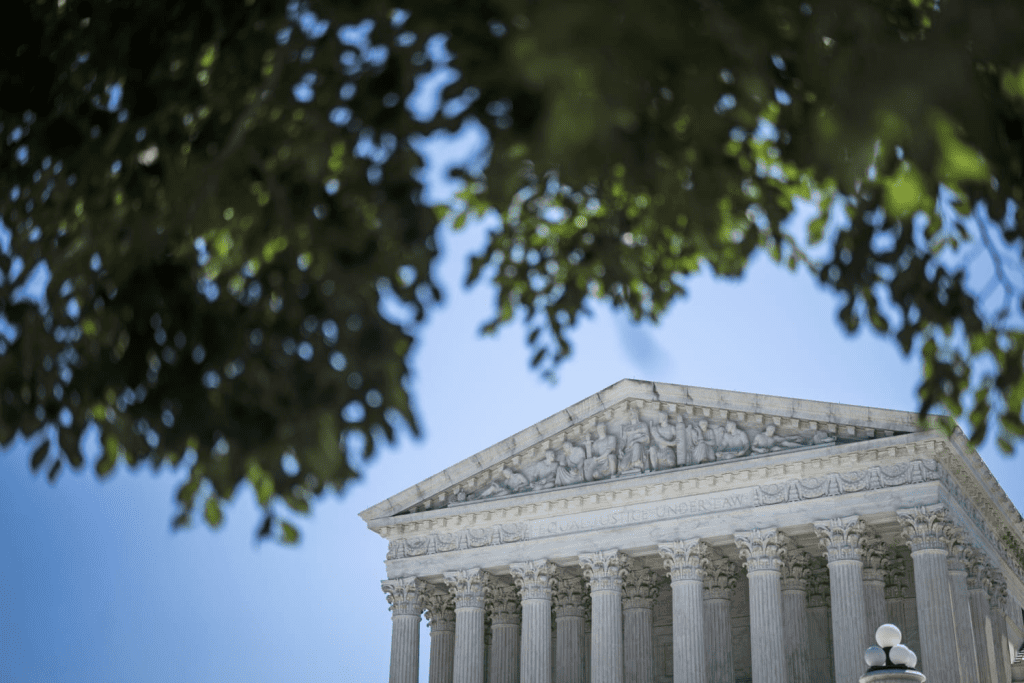
A growing movement is urging the U.S. Supreme Court to eliminate property taxes for individuals who fully own their homes, sparking a heated debate over tax fairness and property rights. The push, gaining traction after a viral campaign launched on September 5, 2025, argues that taxing fully owned property infringes on homeowners’ rights, essentially forcing them to “rent” their land from the government. Proponents claim it disproportionately burdens retirees and fixed-income families, who face rising tax bills despite paying off mortgages.
The idea stems from a petition filed with the Supreme Court, challenging property taxes as a violation of constitutional protections against government overreach. Supporters cite the Fifth Amendment’s takings clause, arguing that annual taxes on paid-off homes equate to an unjust seizure. They point to states like Texas, where property tax rates can exceed 2% of a home’s value, pushing some owners into financial distress. In 2024, over 500,000 Americans faced foreclosure risks due to unpaid property taxes.
Opponents, including state officials and economists, warn that abolishing property taxes would devastate local budgets, which rely heavily on these funds for schools, roads, and emergency services. They argue that tax relief programs already exist for low-income homeowners and that a blanket exemption could favor wealthy property owners while shifting burdens to renters and businesses.
The Supreme Court has yet to take up the case, but the campaign has ignited public interest, with thousands rallying behind the cause. As economic pressures mount, the debate over property taxes highlights deeper tensions about fairness and government authority.