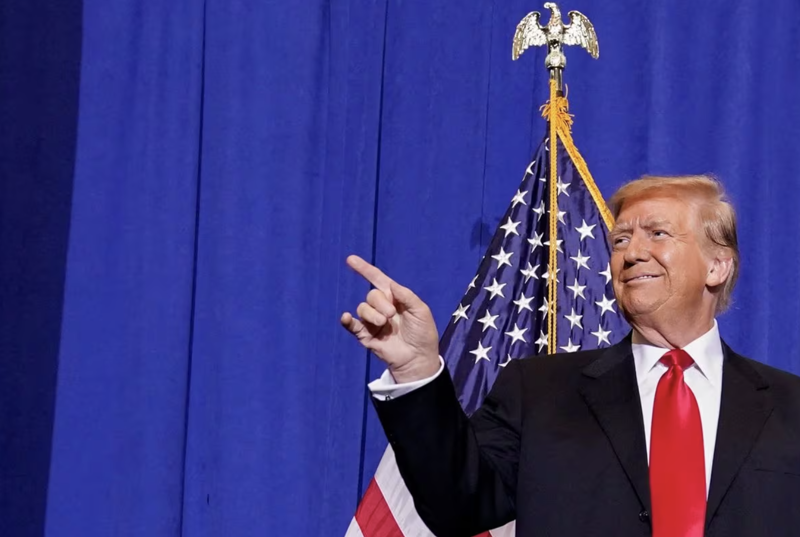
A fiery sentiment sweeping social media platforms like X has crystallized into a bold demand: President Donald Trump must not only be impeached but fully investigated, indicted, tried for treason, convicted, imprisoned, disgraced, and stripped of his wealth through civil lawsuits. This impassioned call, voiced by a segment of vocal critics on May 28, 2025, reflects deep-seated anger over Trump’s second-term policies and actions, reigniting debates about accountability, justice, and the limits of presidential power.
The push for Trump’s removal stems from controversies like his West Point speech, where he claimed urgent diplomatic duties but was reportedly golfing, and his use of the Alien Enemies Act to deport alleged gang members, criticized as lacking due process. Posts on X, including from users like
@judgejeaninne, demand a sweeping reckoning, accusing Trump of “treasonous” acts—though no specific evidence of treason, a high constitutional bar, has been substantiated. Critics cite his blanket pardon of 1,600 January 6 defendants and alleged misuse of federal funds, such as redirecting $3 billion from Harvard to trade schools, as abuses of power warranting investigation.
Impeachment, the first step, faces steep hurdles. With Republicans controlling the House and Senate, a two-thirds Senate vote to convict is unlikely. Rep. Jamie Raskin (D-MD), a vocal Trump critic, argued on MSNBC that impeachment requires clear evidence of “high crimes and misdemeanors,” not just policy disagreements. Legal experts like Joyce Vance dismiss treason charges as improbable, noting the Constitution’s narrow definition—levying war or aiding enemies—requires concrete proof absent in current allegations. Still, calls for DOJ investigations into Trump’s financial dealings and foreign ties persist, fueled by his administration’s review of Biden-era $93 billion DOE loans.
The demand for criminal indictment and imprisonment hinges on hypothetical charges, from obstruction to fraud, but faces legal barriers. The DOJ’s policy against prosecuting sitting presidents means any indictment would likely await Trump’s departure from office. A conviction for treason, carrying a potential death penalty, is even less plausible without evidence of wartime betrayal. Civil lawsuits, however, pose a real threat. Trump’s past liabilities, like the $83.3 million E. Jean Carroll defamation judgment, suggest courts could target his assets if new suits—potentially over policy harms or January 6—succeed. Critics on X, like
@TransRightsNow, envision asset seizures leaving Trump “penniless,” though his $10 billion net worth, per Forbes, complicates this.
Supporters counter that such demands are politically motivated “witch hunts.” On X,
@PamBondiNewsX praised Trump’s +20 Hispanic approval rating and Rasmussen’s historic 52% “right track” poll, arguing his policies reflect voter will. Attorney General Pam Bondi, a Trump loyalist, has dismissed calls for investigations as “baseless,” focusing instead on prosecuting dissenters like Emily Sommer for assaulting a former U.S. attorney. The polarized climate, with 62% of Republicans in a May 2025 YouGov poll backing Trump’s agenda, suggests resistance to his removal.
The path to disgrace and destitution remains speculative. While civil suits could dent Trump’s wealth, bankruptcy is unlikely given his real estate empire. Public shaming, a goal of critics, clashes with his enduring base, with 50% approval in Rasmussen’s tracking. As calls for his downfall grow, the nation braces for a contentious battle over justice and power.