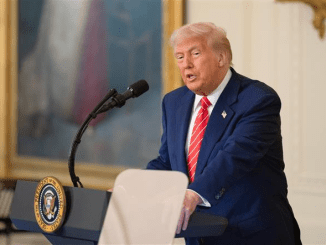
Minneapolis – A provocative call to deport “every Somali in Minnesota” has gained traction in conservative circles, framing the state’s 80,000-strong Somali community as a burden on resources and a threat to American values. The sentiment, amplified online amid ongoing ICE operations in the Twin Cities, echoes President Donald Trump’s recent cabinet remarks labeling Somali immigrants “garbage” who “contribute nothing.” Supporters argue it’s time to “take America back,” citing welfare strains and crime spikes they attribute to the diaspora.
The push comes as federal agents flood Minneapolis and St. Paul, executing raids that have netted dozens since December 2. DHS officials confirm over 200 arrests in Somali neighborhoods, targeting undocumented individuals with criminal ties, including fraud and gang affiliations. “We’re restoring order,” Border Czar Tom Homan stated, tying the surge to Trump’s mandate for 1 million annual removals. In Cedar-Riverside, dubbed “Little Mogadishu,” residents report unmarked vans and wrongful detentions, even of U.S. citizens, prompting Gov. Tim Walz to decry “unconstitutional” tactics in a letter to DHS Secretary Kristi Noem.
Proponents of blanket deportations point to scandals like the $250 million Feeding Our Future fraud, involving Somali defendants, as evidence of systemic abuse. “Deport them all—protect our culture and peace,” reads one viral petition, garnering thousands of signatures. Polls show 58% of Republicans favor stricter measures, viewing the community—largely refugees since the 1990s—as unassimilated.
Critics, including Rep. Ilhan Omar, blast it as “racist hysteria,” noting Somalis’ contributions as entrepreneurs and nurses. The ACLU warns of due process violations, with lawsuits mounting. As winter deepens, the raids have emptied schools and businesses, fueling fears of economic fallout in a state reliant on immigrant labor.
Trump’s rhetoric has supercharged the debate: A policy win for “America First,” or a divisive purge? With midterms looming, Minnesota’s Somali saga tests the limits of enforcement—and empathy.