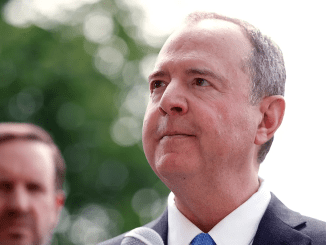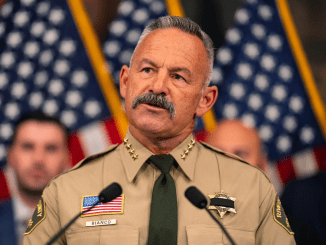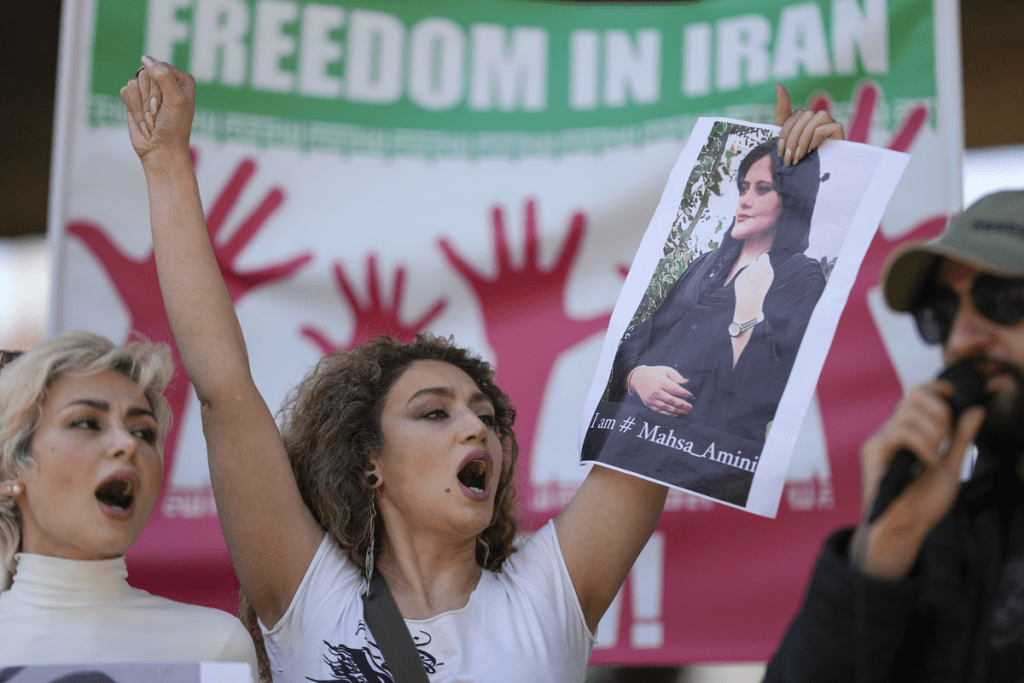
A rising tide of controversy has erupted across the United States as some political figures and commentators demand the immediate deportation of pro-Iran protesters. The calls, fueled by escalating tensions between the U.S. and Iran following recent geopolitical clashes, have ignited a heated debate over free speech, national security, and the limits of dissent in a polarized nation. While the proposal resonates with those frustrated by anti-American rhetoric, it raises serious questions about legality, civil liberties, and the potential for abuse.
The push for deportation stems from recent demonstrations in cities like New York and Chicago, where small groups of protesters have voiced support for Iran amid U.S. sanctions and military posturing. Some carried signs praising Iran’s resistance to Western influence, while others criticized U.S. foreign policy in the Middle East. These protests, though limited in scale—numbering fewer than 1,000 participants nationwide, according to local police estimates—have drawn outsized attention. Critics argue that such displays, particularly during a time of heightened U.S.-Iran tensions, border on disloyalty and pose a security risk.
Advocates for deportation, including several conservative lawmakers, contend that supporting Iran, a nation designated by the U.S. as a state sponsor of terrorism, is tantamount to undermining national interests. They point to incidents of vandalism and clashes at protests as evidence of potential threats. One proposal, floated in a recent congressional hearing, suggested revoking visas or citizenship for non-naturalized protesters who “actively promote Iran’s agenda.” The rhetoric has gained traction among those who view the protests as a slap in the face to American values, especially as U.S. troops remain deployed in the region.
Opponents, however, warn that such measures are a dangerous overreach. Legal experts note that the First Amendment protects the right to protest, even when the message is unpopular or offensive. Deporting citizens for their political views would be unconstitutional, and targeting non-citizens risks violating due process. The American Civil Liberties Union condemned the proposal, arguing it sets a precedent for punishing dissent. Historical parallels, like the internment of Japanese Americans during World War II, have been invoked to highlight the dangers of scapegoating minority groups during times of international conflict.
The debate also exposes deeper societal fault lines. Pro-Iran protests, often led by diaspora communities or activists critical of U.S. interventionism, reflect a broader frustration with decades of Middle East policy. Yet, for many Americans, these demonstrations feel like a betrayal, particularly amid fears of Iranian cyberattacks or regional instability. The State Department reported 27 Iran-linked incidents in 2024, including hacking attempts, amplifying calls for a hardline response.As the rhetoric escalates, practical questions loom. Who qualifies as a “pro-Iran” protester? Would attending a rally suffice, or would specific actions be required? The logistical and legal hurdles of mass deportations are immense, and critics argue the focus distracts from addressing root causes, like diplomatic failures or domestic polarization. For now, the calls for deportation remain a rallying cry for some and a chilling threat to others, underscoring the fragile balance between security and freedom in a tense political climate.