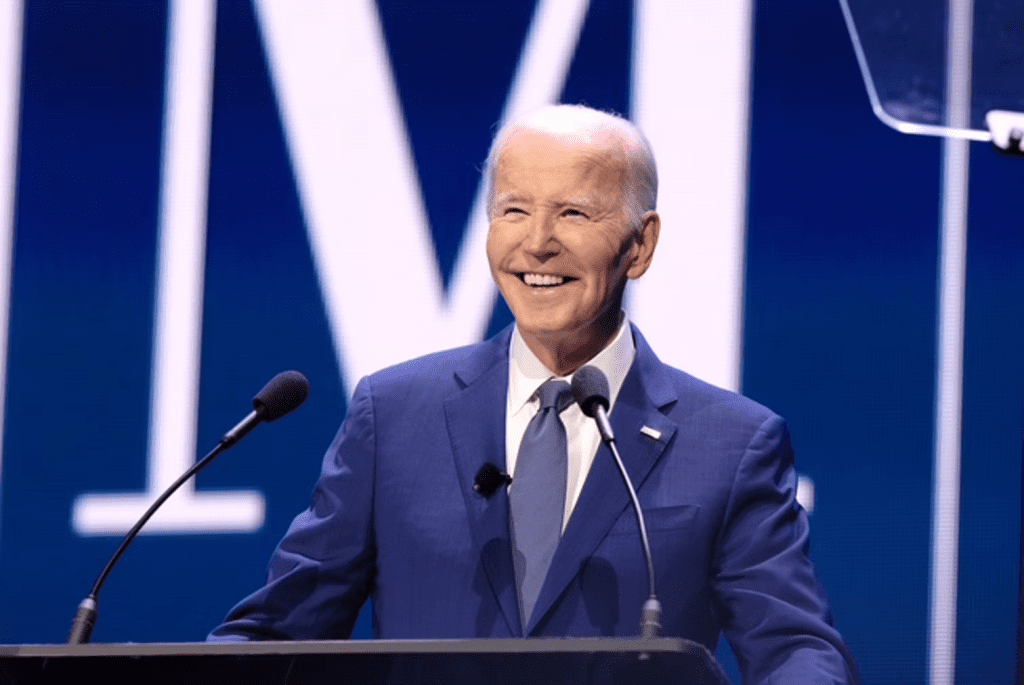
As former President Joe Biden battles an aggressive form of prostate cancer, diagnosed in May 2025, a growing segment of Americans is demanding his conviction for alleged crimes before his health deteriorates further. The push, rooted in claims of mishandling classified documents and other controversies during his presidency, reflects deep political divisions and a desire for accountability among critics who view Biden as emblematic of Washington’s entrenched elite. Yet, legal and ethical hurdles make such an outcome unlikely, raising questions about justice and vengeance in a polarized era.
The loudest calls for Biden’s conviction center on a 2023 special counsel investigation into his handling of classified materials. Audio from October 2023 interviews, released in May 2025, revealed Biden struggling to recall key details, prompting Special Counsel Robert Hur to describe him as a “well-meaning, elderly man with a poor memory.” While Hur concluded Biden willfully retained classified documents, he deemed prosecution unviable due to Biden’s mental state, a decision that outraged conservatives. They argue this amounts to a double standard, sparing Biden while others face harsh penalties for similar offenses.
Other grievances fuel the fire. Critics point to Biden’s pardon of his son, Hunter Biden, in December 2024, just before sentencing for federal gun and tax convictions, as evidence of abusing executive power. The commutation of nearly 2,500 nonviolent drug offenders’ sentences and Leonard Peltier’s life sentence for killing two FBI agents in 1975 further stoked accusations of selective justice. Some even demand investigations into Biden’s mental fitness during his term, alleging aides unlawfully used an autopen to sign documents, a claim Biden has called “ridiculous and false.”
Legal experts, however, see little chance of conviction. Biden’s cancer, which has metastasized to his bones, complicates any trial, as courts often delay proceedings for defendants with serious illnesses. At 82, his frail condition—evident in his limited public appearances since leaving office—would likely sway juries against prosecution, echoing Hur’s reasoning. Moreover, the Justice Department’s focus has shifted under Attorney General Pam Bondi, prioritizing immigration and election fraud probes over revisiting Biden’s case. No new charges have emerged since Hur’s report, and statutes of limitations may bar fresh action.
The fervor for Biden’s conviction reflects more than legal accountability—it’s a cultural battleground. Supporters argue he served honorably, commuting sentences to address systemic injustices and pardoning his son as a father, not a corrupt leader. Critics, however, see a system protecting its own, fueling distrust in institutions. With Biden’s health declining and no trial in sight, the debate risks becoming symbolic, pitting demands for justice against accusations of political vendetta. As the nation watches, the question looms: is the pursuit of an ailing former president justice, or retribution?