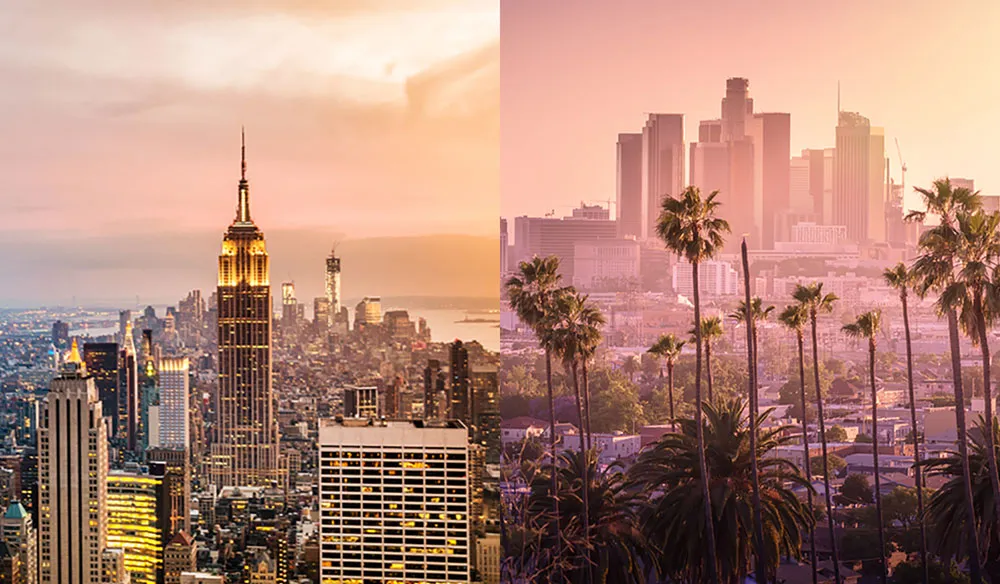
In the arena of American politics, California and New York have emerged as fierce contenders for the dubious title of showcasing the nation’s most misguided leadership. Both states, bastions of progressive ideology, are grappling with decisions that critics argue prioritize posturing over pragmatism, leaving voters questioning who’s steering the ship—and why it feels like it’s sinking. From California’s defiance of federal immigration policies to New York’s chaotic mayoral race, the Golden State and the Empire State are locked in a high-stakes competition for the mantle of political missteps in 2025.
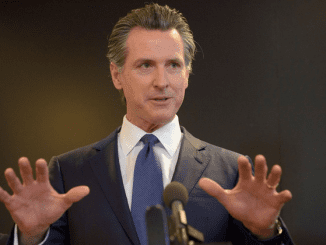
California’s leadership, led by Governor Gavin Newsom, has leaned hard into resisting the Trump administration’s agenda, particularly on immigration. Newsom’s defense of sanctuary city policies and his legal battle to reclaim control of 4,000 National Guard troops deployed by Trump to Los Angeles for immigration enforcement have painted him as a progressive hero to some and a reckless obstructionist to others. The state’s recent budget, passed amid one of its largest deficits, prioritizes funding for undocumented immigrants—estimated to contribute $270 billion to California’s GDP—over addressing immediate concerns like homelessness, which affects over 180,000 residents. Critics argue this reflects a disconnect from the realities of ordinary Californians, who face skyrocketing housing costs and a 3.5% unemployment rate.
In Los Angeles, Mayor Karen Bass’s response to anti-ICE protests, which turned violent with 52 sheriff’s deputies injured, has drawn fire for being too soft. Her refusal to condemn inflammatory rhetoric, like that of Cudahy Vice Mayor Cynthia Gonzalez, who urged gangs to confront ICE, has fueled accusations of enabling lawlessness. The deployment of Marines to replace National Guard troops in protecting federal buildings further underscores California’s role as a flashpoint in the immigration debate, with critics slamming state leaders for escalating tensions rather than seeking solutions.
New York, meanwhile, is grappling with its own leadership circus. The stunning upset of former Governor Andrew Cuomo by 33-year-old democratic socialist Zohran Mamdani in the Democratic mayoral primary has thrown the state’s political establishment into disarray. Mamdani’s platform—free bus service, public grocery stores, and ending immigration enforcement—has energized progressives but alarmed moderates, who fear his policies could bankrupt the city. His vocal criticism of Israel and past references to controversial figures like the “Holy Land Five” have also drawn accusations of extremism, with Attorney General Pam Bondi calling for his citizenship to be revoked. This radical shift, coupled with Governor Kathy Hochul’s $50 million allocation for undocumented immigrants, has critics labeling New York’s leadership as out-of-touch and divisive.
Both states’ leaders seem to be doubling down on polarizing policies. California’s push to protect undocumented workers, even as agricultural labor shortages worsen due to ICE raids, risks economic fallout, with a potential 16% GDP drop in construction and 14% in agriculture. New York’s progressive surge, exemplified by Mamdani and Public Advocate Jumaane-Williams’s re-election, leans into ideological battles over issues like Israel and transgender policies, alienating voters who prioritize practical governance. A 2025 Gallup poll shows 54% of New Yorkers and 51% of Californians disapprove of their state’s direction, reflecting widespread frustration.
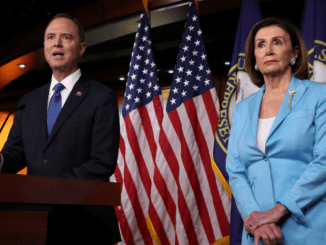
The competition for “dumbest leadership” hinges on execution as much as ideology. California’s defiance of federal authority, including Senator Alex Padilla’s public clash with DHS Secretary Kristi Noem, has made it a global test case for federal-state power struggles. New York’s leadership vacuum, with Mayor Eric Adams under fire for alleged Trump ties and Hochul’s wavering on key issues, projects weakness. Both states face accusations of pandering to progressive bases while ignoring broader voter concerns like crime and affordability.
Choosing a “winner” in this race to the bottom is no easy task. California’s bold but risky resistance to federal policy courts economic and social chaos, while New York’s embrace of untested, radical leadership threatens fiscal stability. Both states, as pillars of Democratic politics, are testing the limits of progressive governance in an era of conservative resurgence. As voters watch these experiments unfold, the real question is not who’s worse but whether either can pivot to pragmatic leadership before the consequences—economic decline, social unrest, or electoral backlash—become irreversible. For now, California and New York are neck-and-neck in a contest neither should want to win.