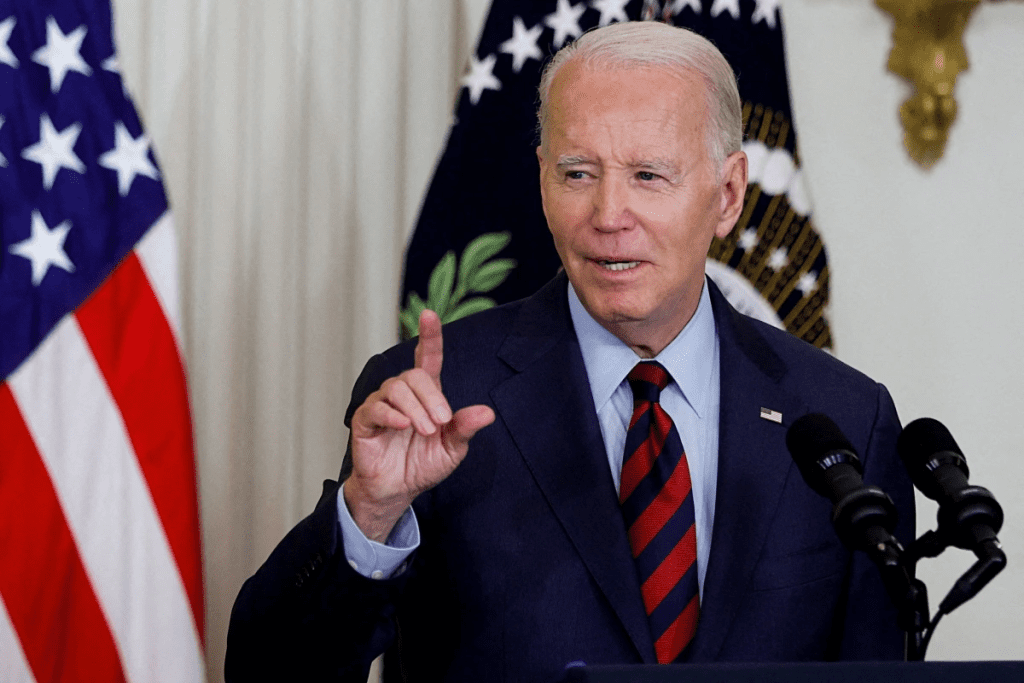
Washington, D.C. – In a revealing exit interview with USA Today on January 8, 2025, President Joe Biden asserted he could have defeated President-elect Donald Trump in the 2024 election had he remained the Democratic nominee. The statement, made weeks before Biden’s term ends, has reignited discussions about his decision to withdraw in July 2024, the Democratic Party’s strategy, and the factors behind Vice President Kamala Harris’s loss. While Biden insists polling supported his claim, data and analysts suggest otherwise, highlighting the complexities of a turbulent election year.
Biden, 82, told USA Today’s Susan Page, “It’s presumptuous to say that, but I think yes,” when asked if he could have won, citing unspecified polls he reviewed. He conceded uncertainty about serving another term, saying, “I don’t know,” and noting, “Who the hell knows?” about his health at 86. The claim, echoed in a January 10 press conference where he said he “would have beaten Trump,” per The Washington Post, reflects Biden’s belief that he, not Harris, was best positioned to defeat Trump, whom he beat in 2020.
However, polling data contradicts Biden’s optimism. A YouGov survey from early November 2024 showed Harris leading Trump by three points nationally, while Biden trailed by seven, per The Washington Post. Harris outperformed Biden across demographics, including by 11 points among independents and Hispanics. Biden’s approval rating, at 38.5% by Election Day per FiveThirtyEight, lagged behind Harris’s 44.3%, with his favorability nine points lower overall, per New York Magazine. Internal Biden campaign polls reportedly projected a 400-electoral-vote Trump landslide had Biden stayed in, per Rolling Stone.
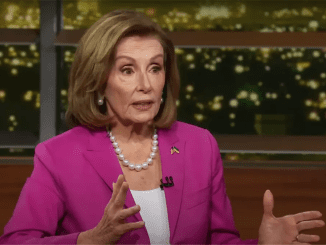
Biden’s June 2024 debate performance, described as “disastrous” by MSNBC, eroded public confidence, with his hoarse voice and muddled answers fueling concerns about his age and mental acuity. Pressure from Democrats, including former Speaker Nancy Pelosi, led to his withdrawal, with Biden endorsing Harris to unify the party, per NBC News. While Biden told reporters on January 10 that he stepped aside to avoid party division, some Democrats argue his late exit hindered Harris’s campaign, which struggled to distance itself from Biden’s unpopular economic record, per The Guardian.
Critics, like Harvard’s Steven Levitsky, cited in MSNBC, note global anti-incumbent trends, with 40 of 54 Western democracies ousting ruling parties since 2020, driven by inflation frustrations. A third of U.S. voters prioritized the economy, favoring Trump 4-to-1, per exit polls. Biden’s $1.2 trillion infrastructure bill, while historic, failed to resonate immediately, a regret he voiced to USA Today, wishing he’d better highlighted its benefits.
As Biden defends his legacy, including the Inflation Reduction Act, he faces accusations of downplaying Harris’s loss to sexism, a claim he made on The View in May, per The Hollywood Reporter. Democrats now grapple with rebuilding after Trump’s 312-226 electoral victory, per Reuters. Biden’s insistence on his electability, while defiant, risks overshadowing the party’s need to chart a new path.