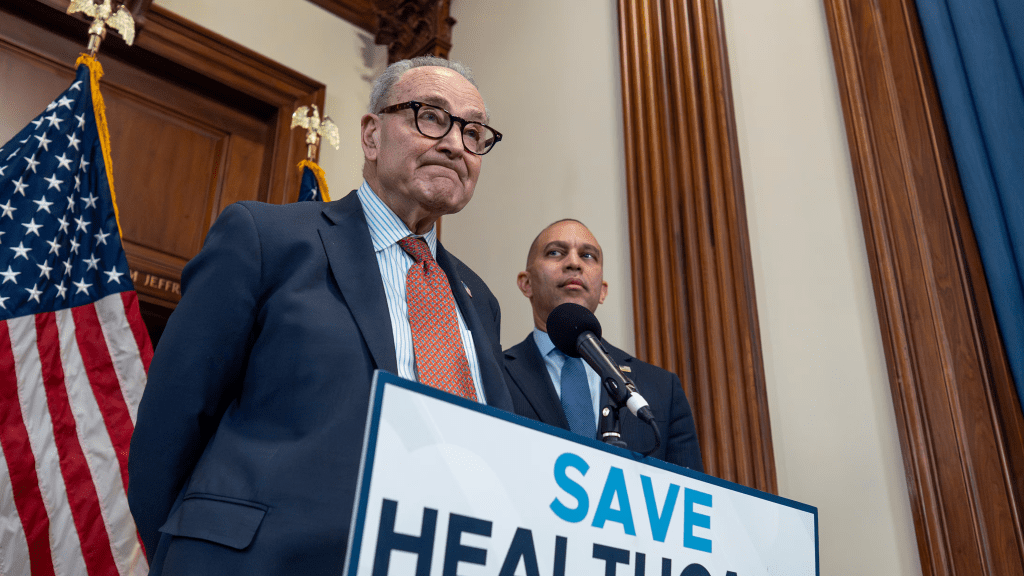
Washington, D.C. – A grassroots clamor is growing louder across the nation: Why don’t ordinary Americans deserve the same comprehensive healthcare plan enjoyed by members of Congress? The sentiment—”We deserve what they get, it’s that simple”—has fueled petitions, town halls, and viral campaigns, spotlighting the stark disparity between lawmakers’ Cadillac coverage and the patchwork system millions navigate daily.
Congressional health benefits, administered through the Federal Employees Health Benefits Program (FEHB), offer over 200 plans with generous subsidies—taxpayers foot 72% of premiums, capping employee contributions at affordable levels. Lawmakers access top-tier networks, low deductibles, and no lifetime caps, even post-retirement via the D.C. exchange. In contrast, average Americans grapple with skyrocketing premiums (up 7% in 2025 per Kaiser Family Foundation), high deductibles averaging $1,600, and employer plans that vanish with job loss.
The push gained momentum amid the recent government shutdown standoff over Affordable Care Act subsidies, where expiring credits threaten premium hikes for 20 million enrollees. Critics like Sen. Rand Paul have long decried the “elite exemption,” proposing bills to force Congress onto standard exchanges—measures repeatedly stalled. Trump’s administration, eyeing healthcare reforms, has nodded to the inequity, with advisors floating “universal access to FEHB-like options” as a populist pitch.
Supporters of parity argue it’s basic fairness: If Congress crafts the laws, they should live under them. “They vote on our care but opt out of the mess,” fumed a Pittsburgh nurse at a recent rally. Democrats counter that expanding FEHB could bloat costs, advocating Medicare for All instead. Yet, in a nation where 28 million remain uninsured, the demand resonates across aisles—polls show 68% favor giving citizens congressional-level plans.
As 2026 elections loom, this simple plea tests Washington’s will: Bridge the privilege gap, or perpetuate the divide? For millions paying the price, equality in healthcare isn’t radical—it’s overdue justice.