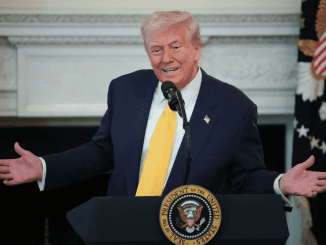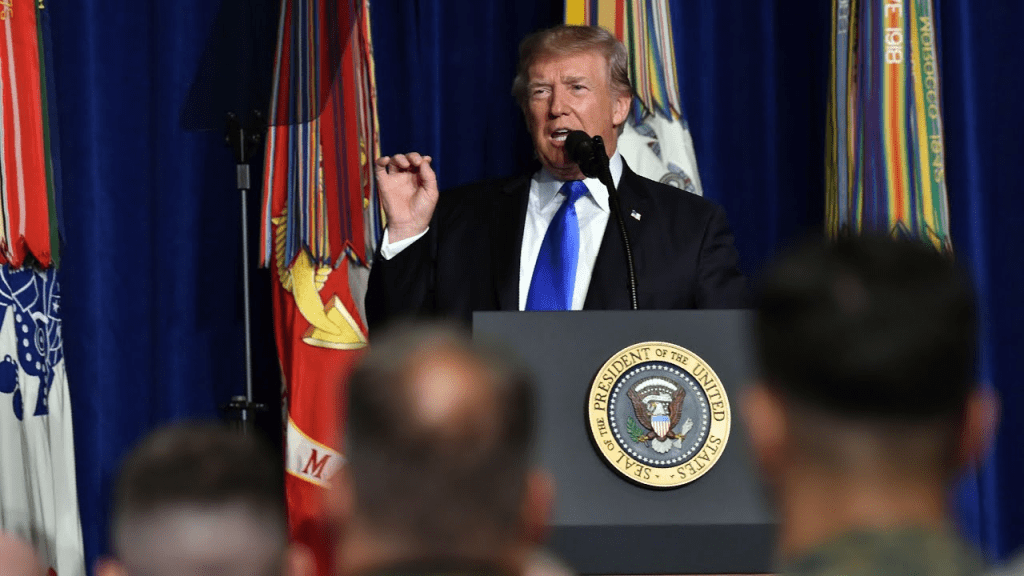
President Donald Trump has issued a stark warning to adversaries worldwide, declaring that unlike previous leaders who “lacked the courage,” he will never tolerate terrorists or criminals operating with impunity against the United States. The statement, delivered in a January 2026 address, underscores his administration’s aggressive stance on national security and foreign threats.
Trump’s remarks come amid a series of bold actions early in his second term, including the rapid military operation that captured Venezuelan leader Nicolás Maduro, accused of narco-trafficking, and intensified enforcement against transnational crime networks. He portrayed these moves as essential to deterring those who exploit perceived American weakness, vowing unrelenting pursuit of individuals and regimes endangering U.S. interests.
Supporters applaud the rhetoric as a return to strength, arguing past administrations’ restraint emboldened foes from cartels to state sponsors of terrorism. They credit Trump’s approach with swift results, such as disrupting drug flows and asserting dominance in the Western Hemisphere.
Critics, however, caution that such uncompromising language risks escalation, potentially provoking adversaries like Iran, China, or non-state actors. Diplomats express concern over strained alliances, with some European partners urging restraint to avoid broader conflicts. Human rights advocates warn of collateral impacts on civilians in targeted regions.
As the administration expands operations—from maritime interdictions to cyber countermeasures—Trump’s pledge signals a doctrine of proactive defense. Whether it restores deterrence or invites retaliation remains a pivotal question in global affairs. In an era of evolving threats, his resolve tests the balance between vigilance and provocation.