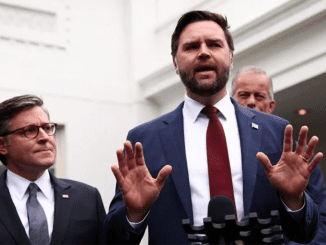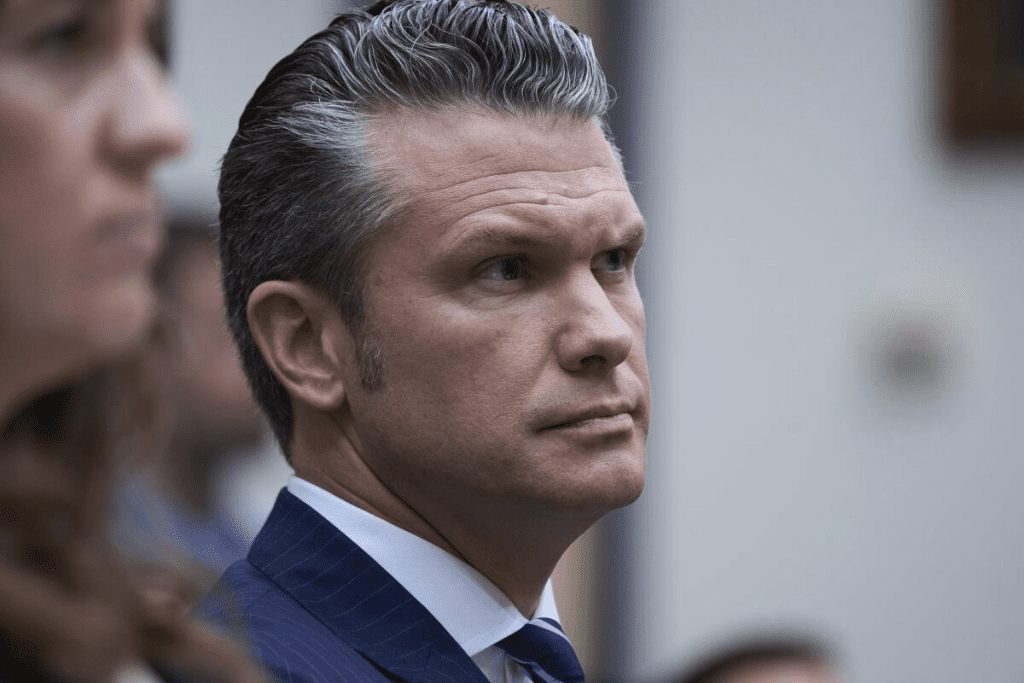
On March 29, 2025, Speaker Emerita Nancy Pelosi demanded the resignation of Defense Secretary Pete Hegseth, accusing him of “horrifying incompetence” for allegedly sharing classified U.S. military plans in a Signal group chat. The controversy, centered on Hegseth’s disclosure of Yemen airstrike details, has fueled a heated political clash. Pelosi argued that such recklessness endangers troops and allies, insisting that rank-and-file personnel would face immediate firing or prosecution for similar actions. Her statement, echoed by Sen. Mark Kelly, intensified Democratic criticism of Hegseth’s leadership.
Hegseth, a former Fox News host and Trump loyalist, retains President Trump’s “full confidence,” with White House Press Secretary Karoline Leavitt dismissing the allegations as “fake news.” Supporters argue Hegseth’s actions align with Trump’s push for transparency and a “warrior ethos” at the Pentagon, citing his role in boosting recruitment to a 28-year high. The Senate’s 51-50 confirmation vote in January, with Vice President JD Vance breaking the tie, underscored Hegseth’s polarizing tenure.
Critics, including Sen. Jeanne Shaheen, argue Hegseth’s inexperience and past controversies—allegations of sexual misconduct and financial mismanagement—make him unfit to lead the Pentagon’s 3 million personnel and $934 billion budget. The ongoing Pentagon inspector general’s investigation into the Signal chats adds pressure, with reports suggesting the White House considered replacing him in April. Yet, Hegseth’s defenders view Pelosi’s attack as partisan, claiming it proves he’s challenging the establishment.
The dispute highlights deep divisions over Trump’s Pentagon overhaul, with Hegseth at the center of a broader culture war. As investigations continue, his fate could shape Republican strategy for the 2026 midterms.