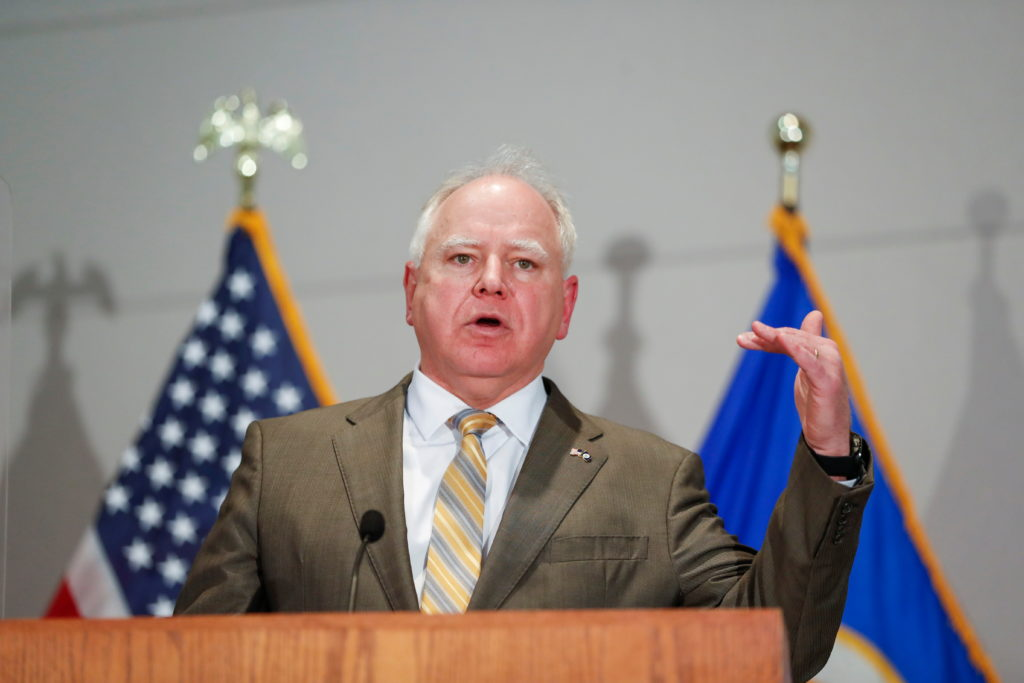
On March 7, 2023, Minnesota Governor Tim Walz signed House File 4 into law, granting all Minnesotans the ability to obtain a standard driver’s license or state ID, regardless of immigration status. The measure, effective October 1, 2023, reverses a 2003 restriction by former Governor Tim Pawlenty that required proof of legal residency. Walz, a longtime supporter, hailed the law as a step toward safer roads, ensuring that an estimated 81,000 undocumented immigrants can now access licenses, insurance, and driver’s education.
Proponents, including immigrant advocates and law enforcement, argue the law enhances public safety by ensuring drivers are tested and insured, reducing unlicensed driving risks. Lieutenant Governor Peggy Flanagan emphasized that it allows families to “come out of the shadows” and access essential services like school and medical appointments. Minnesota joins 19 other states with similar policies, reflecting a growing trend to integrate undocumented residents into civic life.
Critics, including many Republicans, warn the law could enable illegal voting or access to ineligible benefits, despite Minnesota not requiring ID to vote. They argue it undermines federal laws like the REAL ID Act, potentially aiding undocumented immigrants in evading scrutiny. The law’s passage, driven by a Democratic trifecta in Minnesota’s legislature, has fueled accusations of lax immigration enforcement, with only one House Republican supporting the measure.
The debate underscores tensions between public safety and immigration policy, with national implications as states grapple with similar measures. As Minnesota implements the law, its impact on communities and elections remains under scrutiny.